
1. Which location is considered the best for “investment-grade” sapphires in 2026?
The Reddestone Creek in the Glen Innes Highlands remains the “Gold Standard” for investment-grade stones. Sapphires from this catchment are highly prized for their “blue on blue” cross table and superior light-return properties. In the 2026 market, these stones often fetch a 15–25% premium due to their exceptional clarity and deep saturation.
2. Where can I find rare “fancy” colored sapphires and rubies in NSW?
While blue is standard, specific regions are known for “fancies”: Grabben Gullen Creek: Famous for its “rainbow” variety, yielding blue, green, yellow, and rare red sapphires. Inverell & Glen Innes: The primary source for “Parti-colored” stones (yellow/green/blue mixes), which have become a uniquely Australian luxury asset in 2026. Barrington Tops (Gloucester): This is the most significant source of true gem-quality rubies (chromium-rich red corundum) in the state.
3. What are the legal requirements for fossicking in NSW State Forests in 2026?
To fossick in areas like the Vulcan State Forest, you must hold a valid permit from the Forestry Corporation of NSW. As of 2026, a 12-month state-wide permit costs $27.50 and covers a family group (two adults and up to three children). You must carry this permit with you and use only hand-held tools like sieves and shovels.
4. Are there any restrictions on the equipment I can use?
Yes. Regulations are strictly enforced in 2026 to protect the environment. Only hand-held tools (picks, shovels, sieves) are permitted for recreational fossicking. The use of mechanical equipment, including high-bankers with power pumps or any motorized machinery, is strictly prohibited.
5. How do I gain access to fossicking sites on private property?
Even in “Declared Fossicking Districts” where some exploration consents are waived, private property access always requires explicit permission from the landholder. For those seeking a guided or “fee-for-access” experience, sites like Billabong Blue in Inverell offer private park access for a fee, providing a legal and managed environment for sapphire hunting.
1. Which location is considered the best for “investment-grade” sapphires in 2026?
The Reddestone Creek in the Glen Innes Highlands remains the “Gold Standard” for investment-grade stones. Sapphires from this catchment are highly prized for their “blue on blue” cross table and superior light-return properties. In the 2026 market, these stones often fetch a 15–25% premium due to their exceptional clarity and deep saturation.
2. Where can I find rare “fancy” colored sapphires and rubies in NSW?
While blue is standard, specific regions are known for “fancies”: Grabben Gullen Creek: Famous for its “rainbow” variety, yielding blue, green, yellow, and rare red sapphires. Inverell & Glen Innes: The primary source for “Parti-colored” stones (yellow/green/blue mixes), which have become a uniquely Australian luxury asset in 2026. Barrington Tops (Gloucester): This is the most significant source of true gem-quality rubies (chromium-rich red corundum) in the state.
3. What are the legal requirements for fossicking in NSW State Forests in 2026?
To fossick in areas like the Vulcan State Forest, you must hold a valid permit from the Forestry Corporation of NSW. As of 2026, a 12-month state-wide permit costs $27.50 and covers a family group (two adults and up to three children). You must carry this permit with you and use only hand-held tools like sieves and shovels.
4. Are there any restrictions on the equipment I can use?
Yes. Regulations are strictly enforced in 2026 to protect the environment. Only hand-held tools (picks, shovels, sieves) are permitted for recreational fossicking. The use of mechanical equipment, including high-bankers with power pumps or any motorized machinery, is strictly prohibited.
5. How do I gain access to fossicking sites on private property?
Even in “Declared Fossicking Districts” where some exploration consents are waived, private property access always requires explicit permission from the landholder. For those seeking a guided or “fee-for-access” experience, sites like Billabong Blue in Inverell offer private park access for a fee, providing a legal and managed environment for sapphire hunting.
By James Dumar Comprehensive analysis of the New England Gemfields, Central Tablelands, and Southern NSW deposits.

In 2026, the question of “where are sapphires found in New South Wales” has moved beyond hobbyist curiosity into the realm of high-value asset scouting. As global demand for ethically sourced, traceable gemstones reaches an all-time high, the New England region of NSW stands as one of the world’s most significant producers of high-quality blue corundum.
This guide provides a detailed breakdown of current fossicking locations, geological insights into “Pigeon Blood” ruby deposits, and the 2026 regulatory framework for recreational and commercial extraction.
1. The New England Gemfields: Australia’s Sapphire Heartland
The New England region, specifically the plateau encompassing Inverell and Glen Innes, is the most prolific sapphire-bearing area in Australia. The geology here is dominated by Cenozoic alkali basalts, where sapphires are recovered from both secondary alluvial gravels (known as “wash”) and volcanic mudflows.
Key Fossicking Hubs in New England
| Location | Specific Access Points | Notable Gemstone Varieties |
| Inverell (Sapphire City) | Staggy Creek: Free public access. Billabong Blue: Private park (fee applies). | “Royal Blue” sapphires, zircons, and rare alluvial diamonds. |
| Glen Innes Highlands | Reddestone Creek: Famous for “Blue on Blue” stones. Yarrow Creek: Darker stones and “blackjack” spinel. | High-clarity blue sapphires, green sapphires, and yellow parti-colors. |
| Kookabookra | Sara River Bridge: 500m area west of the bridge. | Topaz, quartz crystals, and deep-toned sapphires. |
| Torrington SRA | Ugly Corner Falls: Requires Forestry permit. | Beryl, emerald, and occasional high-altitude sapphires. |
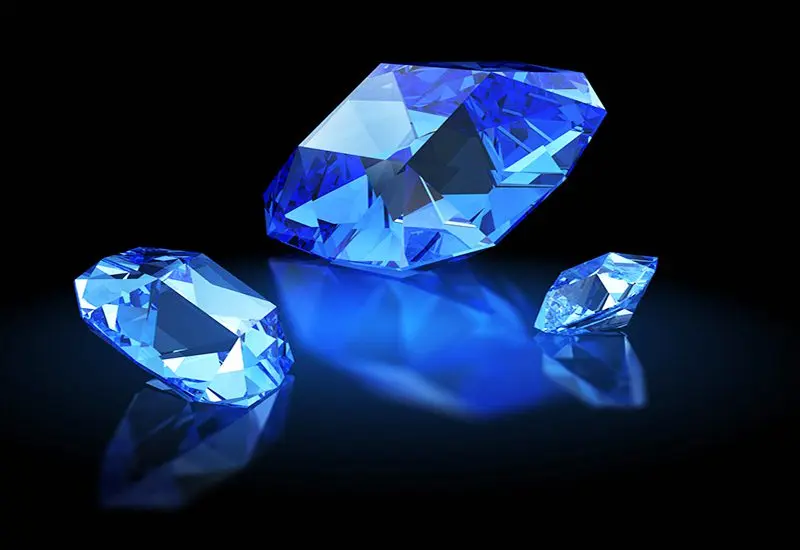
Pro Tip for 2026: The Reddestone Creek remains the “Gold Standard” for investment-grade New England sapphires. Stones from this catchment often exhibit a unique blue “cross table,” fetching a 15–25% premium in the 2026 market due to their superior light-return properties.
2. Central Tablelands & Southern NSW: The Hidden Deposits
While the north is famous for volume, the Central Tablelands (near Oberon) and Southern NSW (near Goulburn) offer unique geological profiles, often yielding rare “fancy” colors and larger-than-average zircons.
Oberon and the Vulcan State Forest
The Vulcan State Forest, particularly Sapphire Bend, is a critical area for those asking where sapphires are found in New South Wales closer to Sydney.
Geology: These deposits are associated with the Main Range volcanics.
Key Spots: Little River Fossicking Reserve (Porters Retreat) and Campbell’s River Bridge Reserve.
Target Gems: Intense blue sapphires and high-luster zircons.
Grabben Gullen: The Southern Powerhouse
Located near Crookwell, Grabben Gullen Creek is widely recognized as a top-tier destination for multi-colored corundum.
The “Rainbow” Creek: This site is famous for producing blue, green, yellow, and even rare red sapphires (approaching ruby status).
Access: Turn off Sapphire Road at the bridge. No license is required, but adherence to the Mining Act 1992 is mandatory.
3. Ruby Deposits in NSW: From Barrington to Tumbarumba
True rubies (chromium-rich red corundum) are significantly rarer than sapphires in Australia. However, three key areas are identified for 2026:
Gloucester (Barrington Tops): The drainage of the ancient Barrington volcano is the most significant source of gem-quality ruby in NSW.
Macquarie & Cudgegong Rivers: Historically found alongside gold, these rubies are often small but possess exceptional “neon” fluorescence.
Tumbarumba (Snowy Mountains): Found in sub-basaltic leads. These stones often show a transition from pink sapphire to deep ruby.
4. 2026 Fossicking Rules & Legal Compliance
To maintain your rights as a fossicker in New South Wales, you must adhere to the following 2026 regulations:
State Forests: You MUST hold a valid permit from the Forestry Corporation of NSW. As of 2026, a 12-month state-wide permit costs $27.50 and covers a family group (2 adults, 3 children).
Equipment Restrictions: Only hand-held tools (sieves, picks, shovels) are permitted. Mechanical equipment (including high-bankers with pumps) is strictly prohibited for recreational use.
Native Title: In areas where Native Title has been determined, you may need consent from the relevant Registered Native Title Body Corporate (RNTBC).
Land Access: While NSW has “Declared Fossicking Districts” (like the Upper Lachlan Shire) where exploration license consent is waived, private property access always requires explicit landholder permission.
Final Summary: Market Outlook 2026
The New South Wales sapphire market is entering a period of renewed commercial interest. In the 1980s, NSW supplied 70% of the world’s sapphires; today, while volume has decreased, the value of “Untreated Australian Sapphire” has spiked.
Investors are increasingly targeting Parti-colored stones (Yellow/Green/Blue) from the New England region, which are now recognized globally as a uniquely Australian luxury asset. If you are searching for where sapphires are found in New South Wales, the “Sapphire City” of Inverell remains the ultimate starting point for both hobbyists and serious gem hunters.
See our blog
1. Which location is considered the best for “investment-grade” sapphires in 2026?
The Reddestone Creek in the Glen Innes Highlands remains the “Gold Standard” for investment-grade stones. Sapphires from this catchment are highly prized for their “blue on blue” cross table and superior light-return properties. In the 2026 market, these stones often fetch a 15–25% premium due to their exceptional clarity and deep saturation.
2. Where can I find rare “fancy” colored sapphires and rubies in NSW?
While blue is standard, specific regions are known for “fancies”:
Grabben Gullen Creek: Famous for its “rainbow” variety, yielding blue, green, yellow, and rare red sapphires.
Inverell & Glen Innes: The primary source for “Parti-colored” stones (yellow/green/blue mixes), which have become a uniquely Australian luxury asset in 2026.
Barrington Tops (Gloucester): This is the most significant source of true gem-quality rubies (chromium-rich red corundum) in the state.
3. What are the legal requirements for fossicking in NSW State Forests in 2026?
To fossick in areas like the Vulcan State Forest, you must hold a valid permit from the Forestry Corporation of NSW. As of 2026, a 12-month state-wide permit costs $27.50 and covers a family group (two adults and up to three children). You must carry this permit with you and use only hand-held tools like sieves and shovels.
4. Are there any restrictions on the equipment I can use?
Yes. Regulations are strictly enforced in 2026 to protect the environment. Only hand-held tools (picks, shovels, sieves) are permitted for recreational fossicking. The use of mechanical equipment, including high-bankers with power pumps or any motorized machinery, is strictly prohibited.
5. How do I gain access to fossicking sites on private property?
Even in “Declared Fossicking Districts” where some exploration consents are waived, private property access always requires explicit permission from the landholder. For those seeking a guided or “fee-for-access” experience, sites like Billabong Blue in Inverell offer private park access for a fee, providing a legal and managed environment for sapphire hunting.