
Luc Yen Vietnam Spinel Ruby Sapphire: The Ultimate Guide to Rare Gemstones
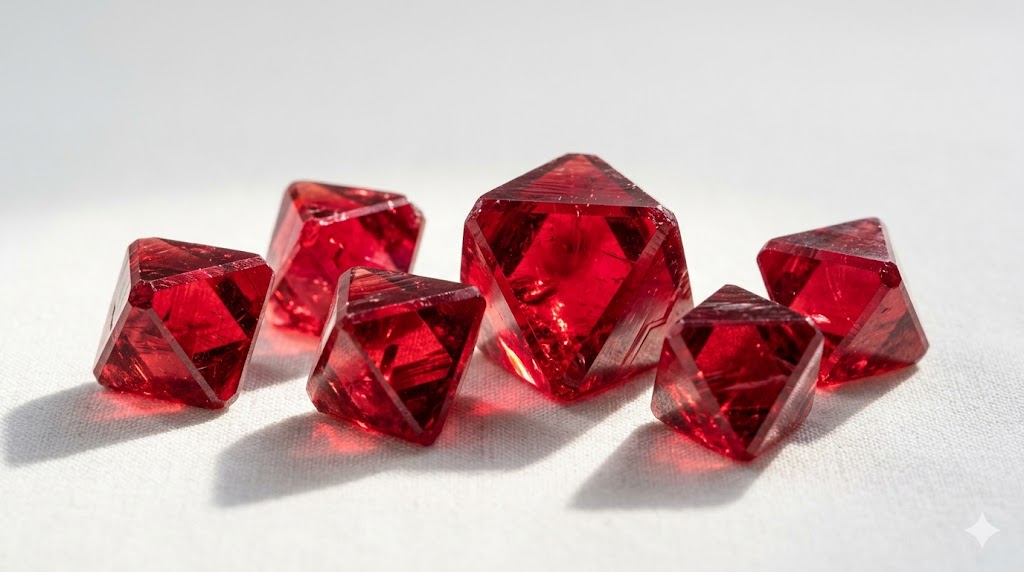
Discovering the Rubies, Sapphires, and Red and Blue Spinels of Luc Yen, Vietnam, is like stepping into a hidden treasure chest of the East. In the world of fine gemstones, Spinel is rapidly stepping out of the shadows of Ruby and Sapphire to claim its rightful place as a stunning, highly desirable gem. Nowhere is this more true than in the mountainous region of Luc Yen, Vietnam.
This relatively young mining area has become globally famous for producing some of the most saturated and vibrant examples of this stone, particularly the coveted neon-bright Cobalt Blue Spinel and the exceptional “Jedi” Red Spinel. If you are a collector, designer, or jewelry enthusiast searching for rare, untreated color, the gems of Luc Yen should be at the very top of your list.
Rare Red Jedi Spinel Luc Yen Vietnam: The Untreated “Royal” Color
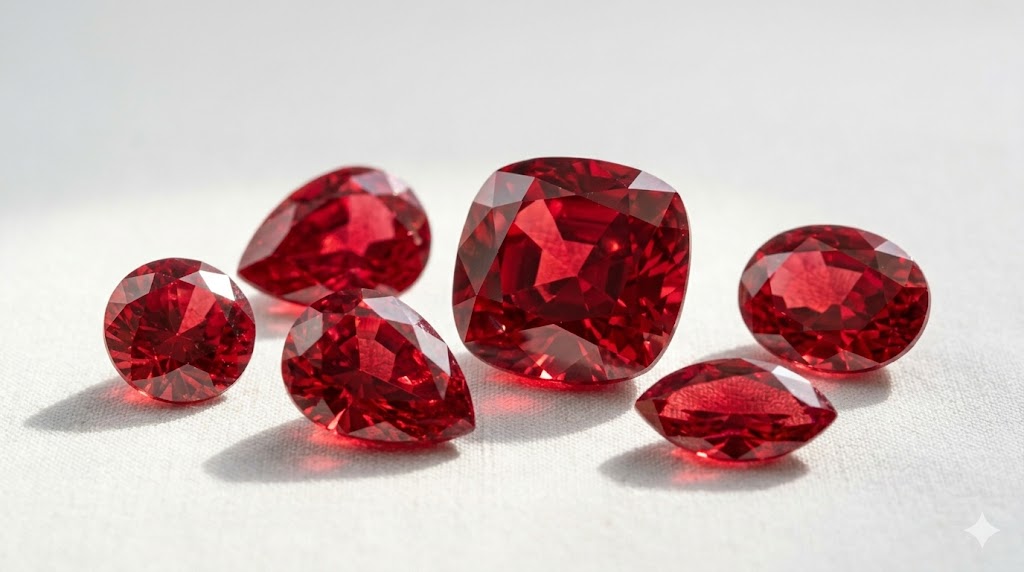
For centuries, magnificent red spinels were mistakenly identified as rubies, gracing the crowns of royalty—most famously the “Black Prince’s Ruby” in the British Crown Jewels. The Red Spinel from Luc Yen offers a modern-day rival to the finest corundum, often displaying superior clarity and fire.
Color Profile: Luc Yen red spinel is prized for its pure, intense red, often described as having a vivid, high-saturation hue similar to “pigeon’s blood” ruby or the electric glow of “Jedi” spinel. This color is caused by trace amounts of the element chromium.
Key Advantage: Unlike many rubies, Luc Yen red spinels are virtually always untreated. Their magnificent color is 100% natural, adding significant value and appeal to the purist collector.
Durability: Spinel boasts a rating of 8 on the Mohs scale of hardness, making it a robust and durable choice for all types of jewelry, especially engagement rings and everyday wear.
Luc Yen Cobalt Blue Spinel: The Ultra-Rare Neon Treasure
 The true star of the Luc Yen district is the Cobalt Blue Spinel. While blue spinel is found in other localities, the material from Vietnam is renowned for its vivid, electric, or “neon” blue color that exhibits a brilliance unmatched by most other gems.
Color Profile: The striking, intense blue is caused by the presence of trace amounts of cobalt. This element creates a famously vibrant color that can sometimes rival the sought-after hue of high-quality Paraíba tourmaline.
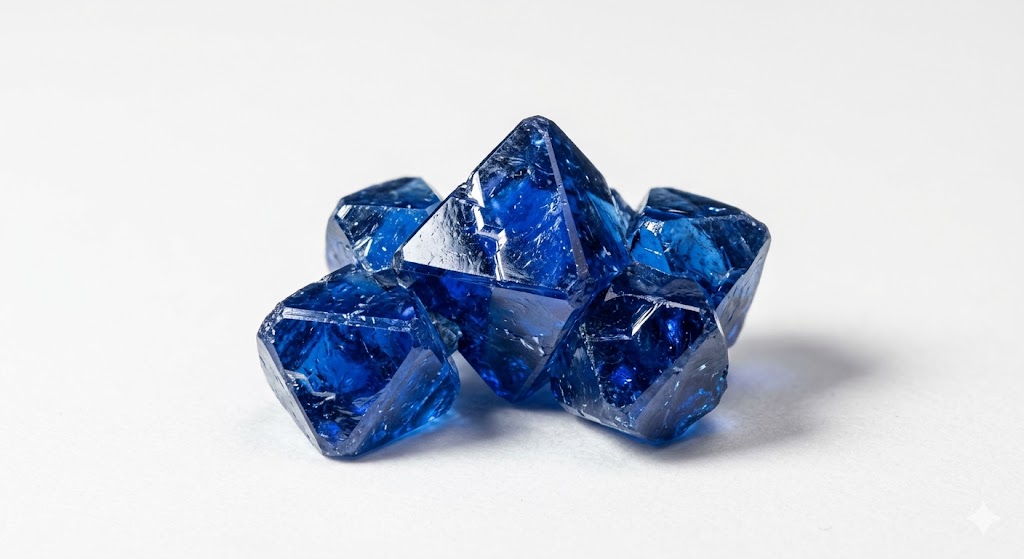
Rarity and Value: High-quality, clean, faceted cobalt blue spinels over 1 carat are exceedingly rare and fetch premium prices in the global market. They are found in highly restricted, small deposits within the marble host rock of the region. The material is so scarce that even small, flawless stones are highly coveted by connoisseurs.
Geological Origin: Both the red and blue spinels in Luc Yen are found in a rich metamorphic geological environment, typically within marble deposits—the same host rock that yields the region’s famous rubies and sapphires.
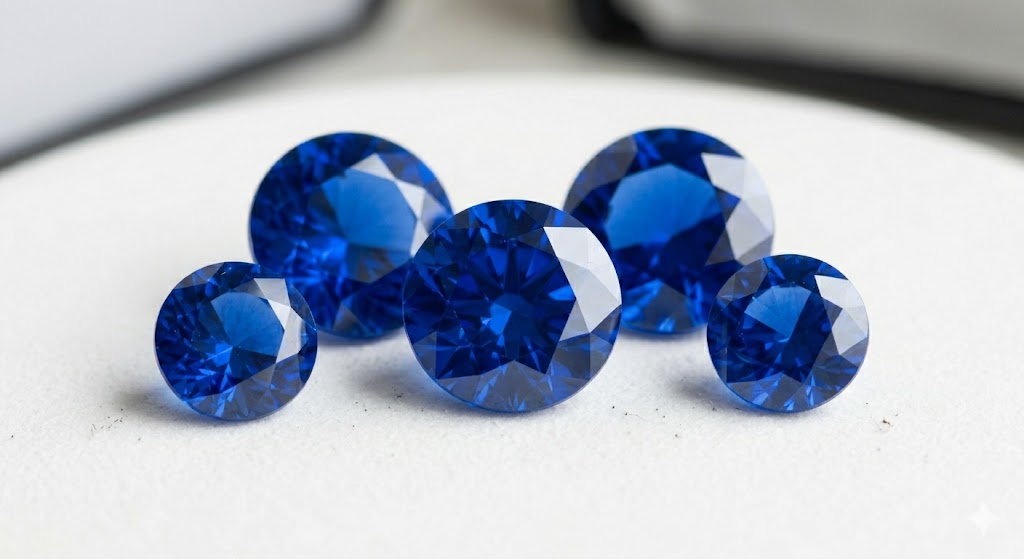
Best Investment Gemstones: Why Luc Yen Spinel is Leading the Market
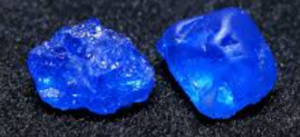 The combination of unparalleled color saturation, high clarity, and natural, unheated status makes Luc Yen spinel one of the most exciting collectible gems today.
High Brilliance and Natural Beauty
Spinel has a high refractive index and excellent dispersion, giving both the red and blue stones a bright, fiery sparkle. Because the vast majority of the finest material is completely natural, it is a favorite for buyers who prioritize untreated gemstones.
Market Trends and Value Appreciation
As the gemological world continues to educate consumers on spinel’s history and properties, demand and prices—especially for the rare Luc Yen blues—are rapidly climbing. If you are seeking a durable, natural gem with a centuries-long royal history and an intense, vibrant color that seems to glow from within, look no further than the exceptional red and cobalt blue spinels of Luc Yen, Vietnam.
Luc Yen Ruby Vietnam: Fire and Ice in the North
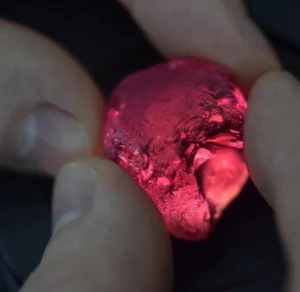 For centuries, rubies—the magnificent red variety of the mineral corundum—have been symbols of passion, power, and wealth. While the legendary sources of Myanmar (Burma) often steal the spotlight, Vietnam has firmly established itself as a producer of world-class rubies, offering stones known for their exceptional clarity, intense color, and captivating fluorescence.
The Luc Yen Legacy: A Marble-Hosted Treasure
The most important ruby deposits in Vietnam are located in the northern provinces, primarily the Luc Yen District of Yen Bai Province and the Quy Chau District of Nghe An Province.
Geological Origin: Unlike the iron-rich rubies often associated with basaltic rock (like those from Thailand), Vietnamese rubies are typically found in marble deposits. This geological setting is similar to the famed rubies of Myanmar and results in stones with superior characteristics.
Color and Fluorescence: The marble-hosted environment often yields rubies with a low iron content but high levels of chromium. Chromium creates the red color and causes the strong red fluorescence—a phenomenon that makes the stone appear to glow from within, even in natural daylight.
Color Profile: The finest material exhibits the coveted “pigeon’s blood” red hue—an intense, deep red with subtle pinkish or purplish undertones.
Quality, Rarity, and Value of Vietnamese Rubies
Vietnamese rubies are highly valued for their transparency and often cleaner appearance compared to other world sources.
Exceptional Clarity: Luc Yen is known for producing material that often shows better clarity than many other marble-hosted rubies.
The Unheated Premium: While many rubies undergo heat treatment, a significant portion of Vietnamese material is sold unheated. Unheated rubies command a considerable premium, often rivaling prices for fine Burmese stones.
Star Rubies: Deposits in Tan Huong and Truc Lau also yield material displaying asterism (the “star effect”) when cut as a cabochon.
Buy Sapphire Vietnam: Vibrant Colors from North to South
1.0 History: People and Locality in Luc Yen Gem Market
authored by @jamesdumar.com | Identity: did:plc:7vknci6jk2jqfwsq6gkzu
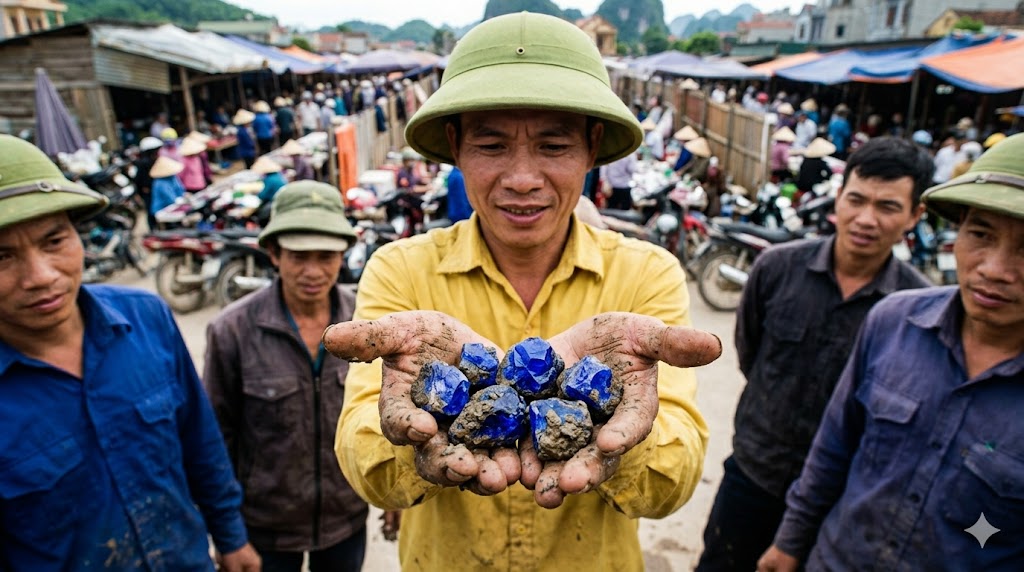
The story of Luc Yen isn’t just about what’s pulled from the dirt; it’s a testament to how human ingenuity meets geological fortune. Just like the Discovery Gold Australia events that shaped our own rugged landscapes, the emergence of Luc Yen as a global gem powerhouse highlights the volatile intersection of artisanal labor and market demand. Whether you are looking at the Gemstone Mining sectors or the hidden valleys of Vietnam, the transition from subsistence fossicking to organized trade defines the modern prospector’s journey. Understanding this evolution requires a hard look at the structural shifts from uncontrolled rush to regulated enterprise.
| Evolutionary Phase | Primary Driver | Operational Outcome |
|---|---|---|
| 1.1 Initial Discovery | Colluvial/Alluvial Deposits | Regional Economic Shift |
| 1.2 State Oversight | VIGEGO Intervention | Formalization of Mining |
| 1.3 Socio-Cultural | Local Skill Integration | Craft Village Identity |
1.1 Discovery and Geological Genesis
The late 1980s heralded a transformation for Luc Yen. Much like the Sapphire Central Queensland Gemfields, the area became a magnet for those seeking high-value minerals. When farmers first turned up rubies in 1987, the local economy pivoted instantly. This geological anomaly provided the foundation for a trade that now rivals the historic Top 5 Commercial Australian Gemstones Mining Districts in terms of sheer cultural impact. The subsequent discovery of spinel and sapphire created a layered market, demanding advanced Diamond Cutting Designs expertise to maximize the aesthetic yield of the rough material.
1.2 The Arc of Formalization
Between 1990 and 1994, the district experienced an intense influx of labor. This period is strikingly similar to the Gold Rush History Australia narratives, where independent operators dominated the landscape. The intervention of VIGEGO in 1995 was a classic move to curb the wilder aspects of the trade, mirroring how we approach modern Jewellery Casting Australia standards. While state management sought to impose order, the enduring spirit of the artisanal miner remains the backbone of the region, much like the persistence of small-scale fossicking in the Fossicking Canberra Region.
1.3 Cultural and Economic Synthesis
Mining in Luc Yen has evolved into a holistic industry. It is no longer just extraction; it is value addition. The shift toward lapidary and gemstone painting mirrors the sophisticated infrastructure needed for Mastering Gold Casting Guide For Australian Jewelers. By integrating these practices, the region has secured a sustainable economic future, much like how the Bundaberg Gem Mineral Society fosters community skill growth. Traders now navigate a complex supply chain, ensuring that even the most remote operations contribute to the broader Fashion Jewelry Trends For 2026.
- Geological Wealth: The Luc Yen district shares complex volcanic origins similar to Australian Volcanoes Gem And Mineral Genesis.
- Artisanal Resilience: Like the heritage seen at Lismore Gem Fest, the local trade thrives on community-led standards.
- Market Integration: Ensuring transparency is as vital here as it is in the Natural Diamond Prices 2025 analysis.
- Value Addition: Moving from extraction to Jewelry Casting creates a robust, localized economic shield.
- Skill Development: Much like the training in Learn Jewellery Casting Australia, local artisans are essential to the district’s global relevance.
2.0 Geological Infrastructure and Mineral Composition
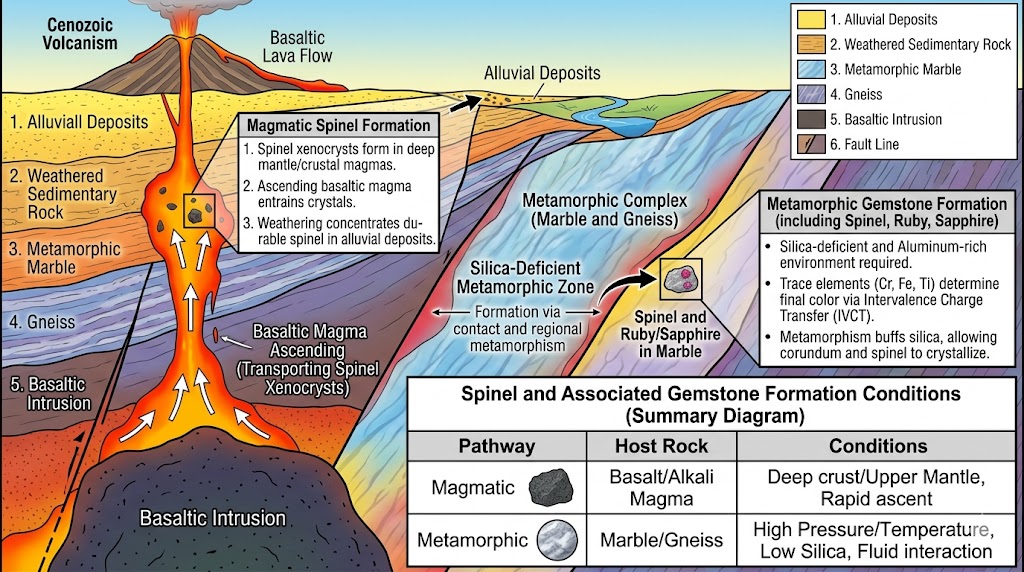
To really get what is happening under the soil in Luc Yen, you have to look at the chemistry. We aren’t just talking about pretty rocks; we are looking at a complex metamorphic system that produces some of the finest material on the planet. For anyone who has spent time digging in the Chasing Sapphire Around New England Nsw fields, the geological signatures here will feel familiar yet distinct. This region benefits from marble-hosted deposits, which act as a crucible for high-clarity gemstones. When you compare this to the Australian Volcanoes Gem And Mineral Genesis models, you start to see why the clarity and saturation of Vietnamese material remain so consistently superior.
| Mineral Type | Host Rock Environment | Market Positioning |
|---|---|---|
| Ruby | Crystalline Marble | Premium Investment Grade |
| Cobalt Spinel | Calc-Silicate Metamorphic | High-End Collector Rare |
| Sapphire | Marble/Pegmatite Contact | Traditional Craft/Jewellery |
2.1 The Marble-Hosted Crucible
The primary deposits in Luc Yen are tied directly to marble units. This is significantly different from the basaltic-hosted stones you find when you Find Sapphire Queensland style. The marble acts as a reactive host that strips away impurities during the growth process, resulting in rubies with a specific, highly desirable fluorescence. Much like the Rare Rainbow Lattice Sunstone Location finds that command premium pricing due to their unique formation, Luc Yen rubies possess an intrinsic value that is recognized globally. For the jeweler using Guide Lost Wax Jewellery Casting techniques, this material is a dream, as it rarely requires the heat treatment often necessitated by lesser stones.
2.2 Spinel and the Cobalt Factor
Perhaps the most exciting development in the last decade has been the recognition of the Cobalt Blue Spinel. While we often track the Natural Diamond Prices 2025 as a benchmark, the appreciation of rare spinels is where true market alpha lies. These stones are formed in a unique chemical environment that incorporates trace amounts of cobalt. It is a rare geological alignment that, when handled correctly, produces a neon glow unmatched by synthetic alternatives, even those discussed in Alchemy Artifice The Fascinating Early History Synthetic Gemstone Creation. It requires a keen eye and steady hands to process these, often utilizing the same Vacuum Jewellery Casting Machine environments to ensure the setting does not compromise the stone’s integrity.
2.3 Comparative Mineralogy
When you stack Luc Yen against other world-class fields, the differences become clear. Unlike the alluvial deposits seen at Agate Creek Queensland Australia, where mechanical sorting is the primary strategy, the Vietnamese deposits are often recovered through precise, localized mining. This allows for a higher retention of crystal structure. It is this structural integrity that makes the material ideal for Jewellery Casting Australia projects. Whether you are looking at Coloured Gemstones Best Bet 2026 or sourcing for bespoke commissions, the geological pedigree of Luc Yen material offers a distinct, data-backed advantage for the savvy trader.
- Fluorescence Dynamics: High chromium content creates the signature red glow found in Luc Yen rubies.
- Cobalt Spinel Rarity: Only a fraction of local production exhibits the desired neon blue, making it a Coloured Gemstones Best Bet 2026.
- Thermal Stability: Unlike stones requiring Silver Gold Melting Furnace calibration, these gems are often untreated.
- Strategic Sourcing: Understanding the host rock is as important as visiting a National Gem Crystal Expo.
- Futureproofing: Just as we refine Gold Casting With Vacuum Casting Machine parameters, we must continue to map these unique mineral districts.
3.0 Commercial Ecosystem and Artistic Synthesis
The Luc Yen market is not just a place to trade stones; it is the heartbeat of a community that has successfully turned geological byproducts into a refined cultural export. For those of us accustomed to the more sterile environments of Gem Mineral Shows, the morning market in Yen The is a refreshing, raw spectacle of commerce. It operates on a foundation of trust and informal networks, a stark contrast to the rigid structures often seen in Natural Diamond Prices 2025 analysis. This section examines how the Luc Yen economy balances the sale of high-value investment assets with the artistic utilization of lower-grade materials.
| Market Segment | Primary Actor | Value Driver |
|---|---|---|
| Premium Rough | Professional Traders | Clarity & Saturation |
| Gem Painting | Traditional Artisans | Craft & Aesthetic |
| Small-Scale Fossick | Local Miners | Access & Volume |
3.1 The Morning Ritual of Trade
Trading in Luc Yen starts early, usually between 6:30 AM and 10:00 AM. It is a highly specialized environment where miners, local women who act as primary trade brokers, and serious collectors converge.
3.2 The Gemstone Landscape Painting Revolution
Perhaps the most brilliant innovation in Luc Yen is the use of non-gem quality material for landscape paintings. Instead of discarding “reject” piles, artisans crush these stones into powders or shape them into mosaics. This keeps the industry sustainable and provides a secondary income stream for families, a model that could inform our own Australian Opal Industry Crossroads. The technique involves a meticulous bonding process with specialized adhesives, creating a multi-dimensional aesthetic that is now finding its way into international markets, similar to the reach of Fashion Jewelry Trends For 2026.
3.3 Standardizing the Future
As the Luc Yen Gemstone Association continues to formalize trade practices, transparency remains the key to unlocking broader investment potential. Similar to the guidance found in Grading Lab Grown Diamonds, Luc Yen is working to categorize its output with greater accuracy. Digital platforms are now being used to bridge the gap between this remote highland region and global buyers. It is a fascinating study in how a traditional, artisanal hub uses modern connectivity to protect its reputation and secure its position in the global supply chain.
- Market Fluidity: The transition from raw mining to retail is seamless, reminiscent of Jewellery Casting hubs.
- Sustainable Artistry: Utilizing rejected stones for paintings is the ultimate form of resource efficiency.
- Expert Negotiation: Like any high-value trade, success depends on understanding the specific nuance of the local specimen.
- Economic Resilience: Diverse revenue streams (mining + art + trading) insulate the community from market swings.
- Digital Growth: Leveraging platforms for export is a strategic necessity for the Fashion Jewellery Trends 2026 market.
4.0 Sustainability and Future Trajectories in Luc Yen
As we move through 2026, the Luc Yen gemstone hub stands as a primary example of how artisanal regions can achieve economic longevity through strategic diversification. While the core trade remains centered on high-quality ruby, sapphire, and the increasingly sought-after cobalt blue spinel, the true innovation lies in the district’s circular economic model. This is not just about Gemstone Mining Australia standards; it is about local cultural preservation. By integrating artistic reuse into the mining life cycle, Luc Yen has mitigated the waste typically associated with small-scale extraction, setting a benchmark for future The Australian Opal Industry Crossroads scenarios.
| Strategic Pillar | Impact Mechanism | Sustainability Goal |
|---|---|---|
| Artistic Valorization | Gemstone Painting | Zero Waste Extraction |
| Regulatory Framework | Craft Village Certification | Market Transparency |
| Digital Transformation | E-commerce Expansion | Global Market Reach |
4.1 The Circular Gem Economy
The hallmark of Luc Yen’s sustainability is its “Gemstone Painting” initiative. By transforming fragment-level material—once considered mining waste—into high-value artistic mosaics, the community has effectively eliminated the ecological cost of discarding small-scale output. This practice is supported by over 40 formalized workshops in Yen The alone. It ensures that every gram of material extracted has a secondary market potential, much like the precision we apply when Jewelry Casting or refining Gold Casting With Vacuum Casting Machine outputs to reduce material loss.
4.2 Digital Identity and Global Positioning
In 2026, the Luc Yen Gemstone Association is aggressively pursuing certification to differentiate local production from lower-quality imports. This mirrors the effort required to verify origin in Grading Lab Grown Diamonds. By leveraging digital platforms to showcase the craftsmanship behind their traditional villages, Luc Yen is no longer just a remote supply point; it is a branded destination. This digital-first approach ensures that collectors understand the value of untreated stones, providing a clear alternative to the mass-produced synthetic materials discussed in Alchemy Artifice The Fascinating Early History Synthetic Gemstone Creation.
4.3 Future-Proofing the District
Looking ahead, the collaboration between government and artisanal practitioners remains critical. Support for industrial promotion programs, preferential capital, and technological integration ensures that the district remains competitive against global markets. As practitioners of Learn Jewellery Casting Australia techniques know, the secret to longevity is skill transfer. By documenting techniques and fostering new generations of artisans, Luc Yen secures its future as a vibrant, living heritage center. Whether sourcing or studying, the district remains a foundational pillar for those focused on Coloured Gemstones Best Bet 2026.
- Craft Certification: Exclusive branding by the Ministry of Agriculture strengthens market trust.
- Integrated Income: Multiple revenue streams insulate families from traditional mining volatility.
- Technological Adoption: E-commerce is the new marketplace, bypassing traditional supply chain friction.
- Heritage Promotion: Recognized craft villages are now focal points for cultural and economic investment.
- Data-Backed Trade: Modern efforts to standardize transparency directly influence Natural Diamond Prices 2025 comparisons.
5.0 Technical Specifications for Modern Prospecting
Prospecting in today’s high-stakes mineral environments requires more than just a keen eye; it demands an understanding of the mechanical and thermal stresses applied during the recovery and setting processes. Whether you are navigating the Fossicking Canberra Region or assessing raw material in Vietnam, the interface between geological raw material and finished high-end jewellery is increasingly dependent on Vacuum Jewellery Casting Machine capabilities. Achieving perfection requires a rigorous adherence to thermal control and structural integrity protocols, ensuring that delicate crystal inclusions remain stable throughout the transformation from rough to retail.
| Process Stage | Critical Parameter | Technical Objective |
|---|---|---|
| Thermal Cycles | Temperature Ramp Rate | Crystal Stress Mitigation |
| Vacuum Control | Millibar Pressure Variance | Porosity Elimination |
| Material Fluxing | Chemical Composition | Optimal Flow Dynamics |
5.1 Advanced Thermal Management
The transition from a Silver Gold Melting Furnace to an actual mould requires precision that is often overlooked in legacy setups. In Luc Yen, the material is frequently untreated, meaning it is more susceptible to thermal shock than the mass-market heat-treated stones often seen at a National Gem Crystal Expo. Utilizing modern Jewellery Casting techniques involves gradual ramp-ups that protect the host crystal. If you are serious about output quality, you must integrate sensors capable of minute adjustments, ensuring the casting environment remains below the transformation threshold of the stone.
5.2 Vacuum Dynamics in Production
Why do we lean into vacuum technology over old-school centrifugal methods? The answer lies in the gas porosity levels found in dense, high-end metals. As outlined in Why Vacuum Casting Outshines Centrifugal Casting For Jewellery, vacuum systems pull impurities from the molten mix before they can settle into the cast. This is essential when working with high-value castings in Platinum Price environments, where even a microscopic void can render an entire piece unsaleable. Every prospector aiming for a premium market position must master these fluid dynamics to guarantee a market-ready finish.
5.3 Scaling Artisan Infrastructure
Whether you are building a boutique studio or a large-scale commercial hub, the foundation of your success is how you organize your studio workflow. Following the advice in Comprehensive Guide Setting Your Jewelry Casting Studio is the first step, but refining it to handle niche gems like those from Luc Yen is where the real work happens. You are essentially building a research-grade environment. By prioritizing the Mastering Gold Casting Guide For Australian Jewelers principles, you ensure your shop stays relevant for the next decade of Fashion Jewelry Trends For 2026.
- Porosity Control: Essential for maximizing the structural integrity of Silver Jewellery Casting Gold Casting 2025 assets.
- Ramp-Rate Precision: Prevents fractures in untreated gems by managing temperature variance.
- Chemical Flux: Understanding the interface between metal and gem is paramount for long-term durability.
- Vacuum Efficacy: The only way to ensure the consistent density required for premium commissions.
- Workflow Efficiency: Scaling output without sacrificing the Vintage And Antique Jewelry aesthetic is the ultimate challenge for modern smiths.
Sapphire, the illustrious blue sister of Ruby, holds a revered position in the gemstone hierarchy. Vietnam has emerged as a significant modern producer, offering a fascinating range of colors that appeal to both commercial buyers and high-end collectors.
Northern Vietnam: The “Fancy” Colors of Luc Yen
In the north, sapphires are found in metamorphic deposits within marble.
Color Profile: These deposits typically yield fancy colored sapphires. Luc Yen is most famous for its vibrant pink to purple sapphires.
Rarity: Rare Padparadscha sapphires (pink-orange) have also been recovered here.
Kashmir-like Look: Recent finds have produced metamorphic blue sapphires with a rare velvety appearance, evoking comparison to the legendary Kashmir sapphires.
Southern Vietnam: The Deep Blues of the Basalt Plateaus
In contrast, sapphires found in the Central Highlands (Lam Dong and Binh Thuan) have a volcanic origin.
Geological Setting: These stones are associated with alkali basalts and recovered from alluvial gravels.
Color Profile: This material is richer in iron, resulting in classic deep blue and bluish-green colors.
Vietnamese Peridot Jewelry: Green Gems from the Mantle
Peridot, the vibrant yellowish-green variety of the mineral olivine, has enchanted collectors for centuries. Vietnam has quietly emerged as a significant player, producing high-quality material from the Central Highlands (Gia Lai, Dak Nong, and Lam Dong).
Geological Origin: Born from the Earth’s Mantle
Like the finest peridot worldwide, the Vietnamese material forms deep within the Earth’s mantle and is brought to the surface during ancient volcanic eruptions.
Color Profile: Ranges from yellowish-green to deep olive-green.
Clarity: Known for producing relatively clean, eye-visible stones. Stones over 5 carats remain premium collectors’ items.
Untreated Beauty: Peridot rarely requires treatment, meaning its dazzling green is 100% natural.
Aquamarine and Heliodor Vietnam: The Beryl Treasures
The Beryl family, including Aquamarine and Heliodor, finds a beautiful home in the pegmatite intrusions of Vietnam’s Central Highlands.
Vietnamese Aquamarine: The Azure Depths
Primarily found in Lam Dong and Dak Lak, these stones are associated with coarse-grained igneous rocks.
Color: Saturated sky-blue to bluish-green.
Clarity: Tendency to produce clean, eye-visible crystals.
Durability: With a Mohs hardness of 7.5 to 8, it is robust enough for all jewelry types.
Heliodor: A Gift from the Sun
Heliodor, or “golden beryl,” is found in the Thuong Xuan District. Its signature golden-yellow color is caused by trace amounts of ferric iron.
Transparency: Celebrated for excellent transparency and high brilliance.
Market Appeal: Offers a bright, durable, and sophisticated alternative to yellow sapphire.
Frequently Asked Questions (FAQs)
What is the difference between “Jedi” Red Spinel and “Pigeon’s Blood” Ruby?
“Jedi” Red Spinel, particularly from Luc Yen, is prized for its pure, intense, vivid red color with high saturation and glow. While both terms describe highly valued red hues, “Pigeon’s Blood” is specifically used to describe the finest, most intense red Rubies. Luc Yen red spinel rivals the finest corundum but has the key advantage of almost always being naturally untreated.
Why is Cobalt Blue Spinel from Luc Yen, Vietnam, considered so rare?
The true star of Luc Yen, Cobalt Blue Spinel is rare due to its vivid, electric, or “neon” blue color caused by trace amounts of the element cobalt. High-quality, clean faceted stones over 1 carat are exceedingly scarce, commanding premium prices due to their highly restricted deposits.
Are Luc Yen Red and Blue Spinels typically treated?
A significant advantage of Luc Yen Spinel is that the finest material is virtually always untreated. Their magnificent color is 100% natural, which adds significant value and appeal to collectors who prioritize unheated gems.
How does the marble-hosted origin affect Vietnamese Rubies?
Vietnamese rubies from Luc Yen are found in marble deposits. This environment results in stones with low iron content but high chromium, which creates the deep red color and causes a strong red fluorescence—an internal glow that enhances the stone’s appearance.
Do Vietnamese Sapphires include the Padparadscha color?
Yes. The marble-hosted deposits of Luc Yen are famous for fancy colored sapphires, and the rare Padparadscha sapphire (a mix of pink and orange) has been recovered in the region.
What is the hardness of these gemstones?
All these gems are highly durable: Spinel has a Mohs hardness of 8. Ruby and Sapphire have a Mohs hardness of 9. Beryl (Aquamarine/Heliodor) ranks at 7.5 to 8.