 Dialux Polishing Compounds: Achieve a Flawless Finish with Famous Jeweller’s Rouge
Unleash the Brilliance of Your Creations with Dialux Polishing Compounds: The Definitive Jeweller’s Rouge for Unparalleled Shine
In the realm of jewelry making, metalworking, and fine finishing, achieving a mirror-like, flawless surface is paramount. For generations, artisans and professionals have turned to Dialux Polishing Compounds, and specifically, the renowned Jeweller’s Rouge, to elevate their work to the highest standards of excellence. This comprehensive product listing delves into the exceptional qualities of Dialux Polishing Compounds, focusing on the legendary Famous Jeweller’s Rouge, providing you with the knowledge needed to achieve professional-grade results.
The Power of Jeweller’s Rouge: The Ultimate Finishing Compound
Among the esteemed Dialux Polishing Compounds range, the Famous Jeweller’s Rouge stands out as an indispensable tool for achieving a high-lustre, mirror-like finish. Its unique formulation, honed over years of refinement, makes it the preferred choice for jewellers, watchmakers, and metalworkers worldwide.
Why Choose Dialux Jeweller’s Rouge?
- Unrivaled Shine: Dialux Jeweller’s Rouge is specifically formulated to impart an exceptional, mirror-like shine to precious metals. Its fine abrasive particles effectively remove microscopic scratches and imperfections, leaving a flawless surface.
- Gentle Yet Effective: While powerful in its polishing capabilities, Dialux Jeweller’s Rouge is gentle enough to be used on delicate materials without causing excessive wear or damage.
- Versatility: This compound is not limited to jewellery. It can be used on a wide range of metals and even certain plastics, making it a versatile addition to any workshop.
- Ease of Use: Dialux Polishing Compounds, including the Jeweller’s Rouge, are designed for easy application and buffing.They adhere well to polishing wheels and cloths, ensuring efficient and consistent results.
- Professional-Grade Results:Trusted by professionals worldwide, Dialux Jeweller’s Rouge delivers the high-quality finish that discerning artisans demand.
Understanding the Composition and Application of Dialux Jeweller’s Rouge
Dialux Jeweller’s Rouge is typically composed of fine iron oxide particles suspended in a binder. The iron oxide acts as the abrasive, while the binder holds the particles together and facilitates application. The specific formulation of Dialux Jeweller’s Rouge ensures that the abrasive particles break down during polishing, creating an increasingly finer finish.
How to Use Dialux Jeweller’s Rouge for Optimal Results:
- Prepare the Surface: Ensure the surface to be polished is clean and free of any dirt, grease, or other contaminants.
- Select the Appropriate Polishing Wheel or Cloth: Choose a soft, clean polishing wheel or cloth made from materials like cotton, felt, or muslin. The type of wheel or cloth will depend on the size and shape of the workpiece.
- Apply the Compound: Lightly apply Dialux Jeweller’s Rouge to the polishing wheel or cloth. A small amount goes a long way.
- Buff the Surface: With the polishing wheel rotating at a moderate speed, gently buff the surface of the workpiece. Use light, even pressure and avoid excessive heat buildup.
- Clean the Workpiece: After polishing, remove any residual compound with a clean cloth or mild cleaning solution.
- Inspect the Finish: Carefully inspect the polished surface to ensure the desired level of shine has been achieved. If necessary, repeat the polishing process.
Applications of Dialux Polishing Compounds and Jeweller’s Rouge
- Jewellery Making: Achieving a high-lustre finish on rings, pendants, earrings, and other jewellery pieces.
- Watchmaking: Polishing watch cases, bands, and other components to restore their original shine.
- Metalworking: Finishing metal surfaces on tools, instruments, and other manufactured goods.
- Restoration: Restoring the shine to antique metal objects and heirlooms.
- Fine Finishing: Achieving a mirror-like finish on any surface requiring a high level of polish.
Dialux Polishing Compounds: Beyond Jeweller’s Rouge
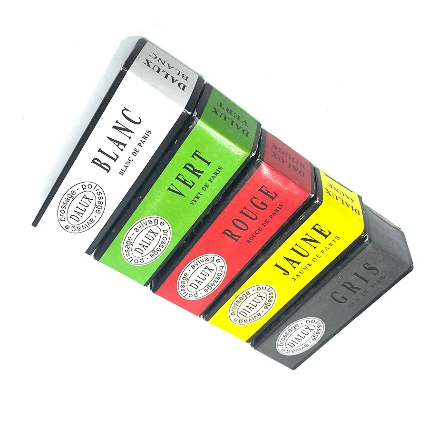
While Dialux Jeweller’s Rouge is a cornerstone of the brand, Dialux Polishing Compounds offer a comprehensive range of products for various polishing needs. These include:
- Dialux White: For polishing silver, gold, and platinum.
- Dialux Blue: For polishing stainless steel and other hard metals.
- Dialux Green: For polishing harder metals to a mirror finish.
- Dialux Orange: For polishing non-ferrous metals and plastics.
- Dialux Yellow: For pre-polishing and removing scratches.
Each Dialux Polishing Compound is formulated to address specific polishing requirements, ensuring that you have the right tool for every job.
Key Considerations When Using Dialux Polishing Compounds
- Safety Precautions: Always wear appropriate safety glasses and respiratory protection when polishing.
- Polishing Wheel Speed: Use the recommended polishing wheel speed for the specific compound and material being polished.
- Pressure: Apply light, even pressure to avoid overheating and damaging the workpiece.
- Cleaning: Thoroughly clean the workpiece after polishing to remove any residual compound.
- Storage: Store Dialux Polishing Compounds in a cool, dry place away from direct sunlight and moisture.
Dialux Polishing Compounds: Frequently Asked Questions
1. What makes Dialux Jeweller’s Rouge different from other polishing compounds?
Dialux Jeweller’s Rouge is specifically formulated with fine iron oxide particles to provide a mirror-like, high-lustre finish on precious metals. It is unique because it is powerful enough to remove microscopic scratches while remaining gentle enough to use on delicate items without causing excessive wear or damage.
2. Can Dialux compounds be used on materials other than gold and silver?
Yes. While the Jeweller’s Rouge is a staple for precious metals, the Dialux range is highly versatile. Different color-coded compounds are designed for various materials:
Dialux Blue: For stainless steel and hard metals.
Dialux Orange: For non-ferrous metals and plastics.
Dialux Green: For achieving a mirror finish on harder metals.
3. How should I apply the compound for the best results?
For optimal results, apply a small amount of the compound directly to a rotating soft polishing wheel or a clean cloth (such as cotton, felt, or muslin). It is important to use light, even pressure and moderate speeds to avoid excessive heat buildup on the workpiece.
4. Do I need to prepare the metal surface before using Dialux?
Absolutely. Before polishing, ensure the surface is clean and free of dirt, grease, or contaminants. If the item has deep scratches, you may want to start with Dialux Yellow, which is specifically designed for pre-polishing and initial scratch removal, before moving to a finishing rouge.
5. How do I clean my jewelry or metalwork after polishing?
Once you have achieved the desired shine, any residual compound should be removed to reveal the final finish. You can do this by wiping the piece with a clean, soft cloth or by using a mild cleaning solution to wash away the binder and leftover abrasive particles
Dialux Polishing Compounds: Frequently Asked Questions
1. What is the primary purpose of Dialux Jeweller’s Rouge? The Famous Jeweller’s Rouge is specifically designed to provide a mirror-like, high-lustre finish on precious metals. It uses fine iron oxide particles to remove microscopic scratches and imperfections, making it the preferred choice for jewellers and watchmakers who require a professional-grade shine.
2. Are Dialux compounds only suitable for jewelry? No, they are highly versatile. While they are a staple in jewelry making, they are also used for watchmaking (cases and bands), general metalworking (tools and instruments), restoration of antique heirlooms, and even fine finishing on certain plastics.
3. Which Dialux compound should I use for harder metals like stainless steel? For harder metals, you should use Dialux Blue or Dialux Green. While the standard Jeweller’s Rouge is ideal for precious metals, the Dialux range includes specific formulas like Blue for stainless steel and Green for achieving a mirror finish on tougher metal surfaces.
4. How do I apply the compound correctly during the polishing process? You should lightly apply a small amount of the compound to a soft, clean polishing wheel or cloth (such as cotton, felt, or muslin). For best results, the wheel should rotate at a moderate speed, and you should use light, even pressure to avoid excessive heat buildup.
5. What is the best way to handle a workpiece that has deep scratches? Before moving to a finishing compound like Jeweller’s Rouge, you should use Dialux Yellow. This specific compound is formulated for pre-polishing and removing initial scratches, ensuring the surface is properly prepared for the final high-shine stage.