
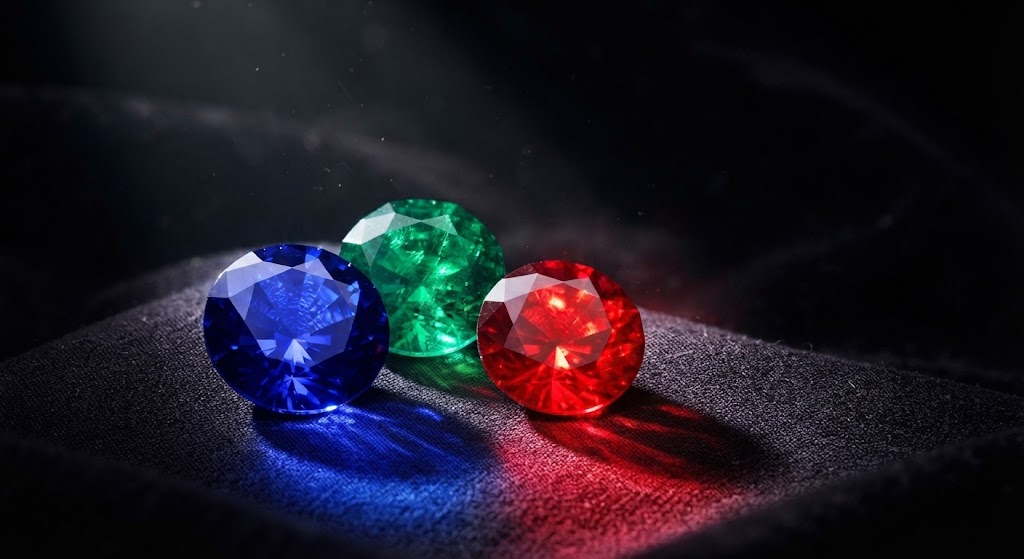
1.0 Coloured gemstones
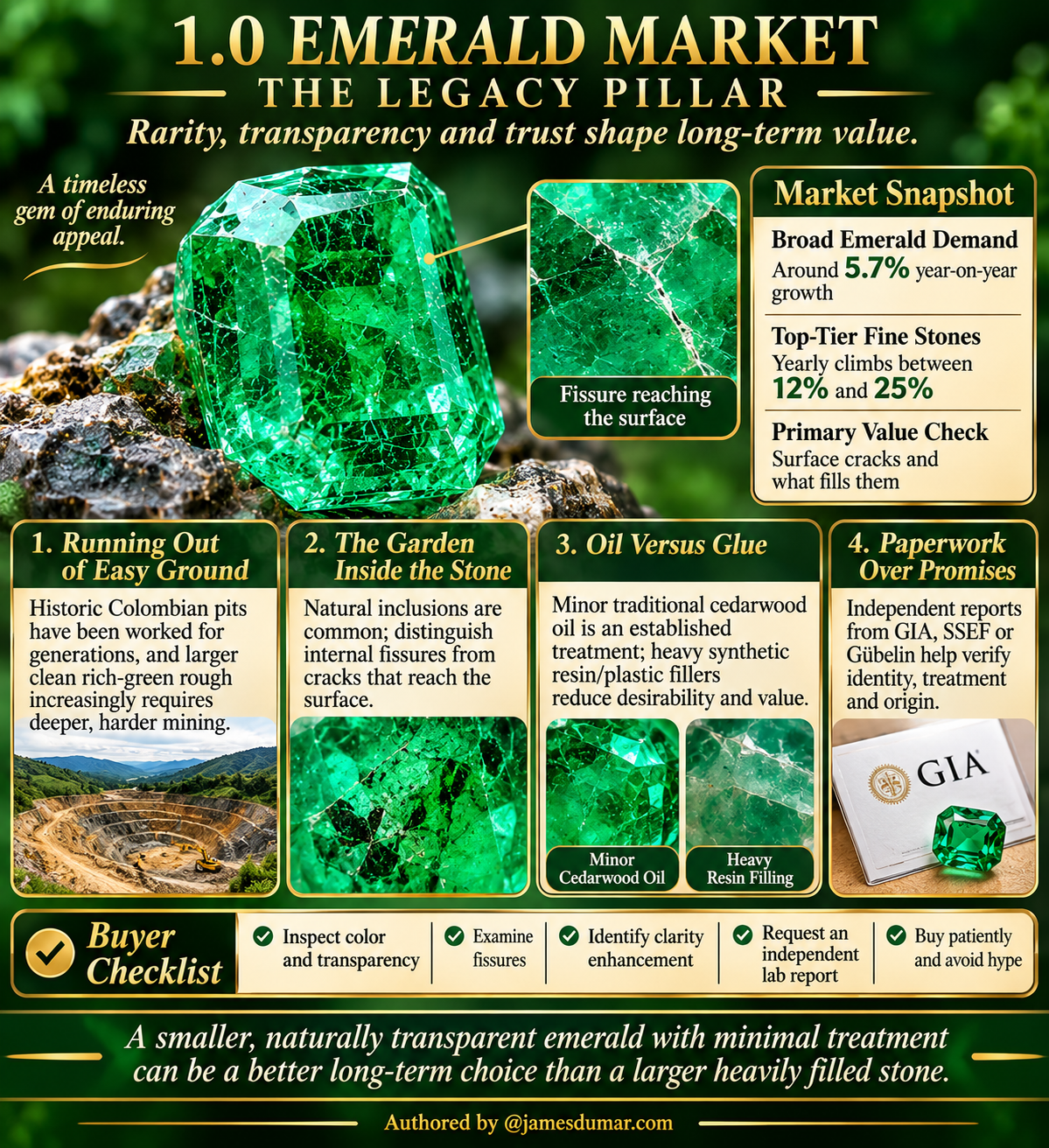
Despite the nonsense you may hear on social media, I want to give you the factual story on emeralds: the old Colombian pockets are running thin, and honest buyers now look straight past fancy sales talk to see what is inside the crystal.
| Market Factor | Current Ground Reality | What It Means for Buyers |
|---|---|---|
| Broad Emerald Demand | Steady year-on-year growth around 5.7% | Reliable baseline interest across global trade |
| Top-Tier Fine Stones | Strong yearly climbs between 12% and 25% | Scarce supply pushes serious collectors higher |
| Primary Value Check | Surface cracks and what fills them | Clean natural stone beats heavy filler every time |
- 1.1 Running Out of Easy Ground: Historic pits in Colombia have been worked for generations, and finding big, clean, rich green rough takes deeper tunnels and heavier graft every year.
- 1.2 The Garden Inside the Stone: Almost every emerald carries natural flaws—what the trade calls the garden—so knowing whether a crack stops inside or reaches the outside makes all the difference.
- 1.3 Oil Versus Glue: Traditional cedarwood oil in minor amounts is an old, honest trade custom, while heavy plastic resin fillers knock down a stone’s standing fast.
- 1.4 Paperwork Over Promises: Top-shelf laboratory reports from outfits like GIA, SSEF, or Gubelin give buyers real confidence when it comes time to trade or sell later.
1.1 Why Fine Emeralds Are Getting Harder to Pull From the Dirt
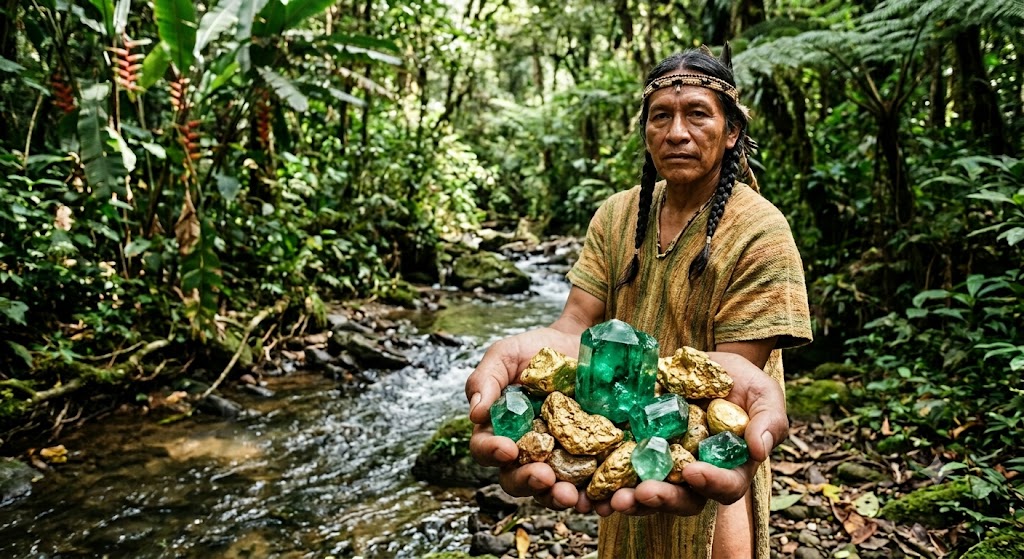
Sit down on an upturned bucket outside a tunnel mouth in Boyaca, Colombia, and the miners will tell you the truth before you even open your sample bag. Emeralds do not form in neat, forgiving sheets like coal or gravel beds. They cook up in restless seams of black shale and white calcite where hot, mineral-rich water squeezes through cracked rock under terrible pressure. Think of it like trying to bake a delicate sponge cake inside an earthquake: the ingredients have to meet at the exact right moment, and even then, the earth keeps shifting while the crystal is still growing. Over five decades of buying rough and cut stones from Bogota to Sydney, I have watched the easy pockets empty out. Today, miners follow thin veins deep underground, moving tons of stubborn rock just to uncover a handful of bright green crystals worth cutting. That hard, slow reality in the dirt is why genuine, top-color emerald rough stays stubbornly scarce even when buyers wave big money around.
1.1.1 Reading Surface Cracks Before Money Changes Hands
Every greenhorn trader learns early that an emerald without flaws is like a cattle dog without scars—either brand new out of a lab or rare enough to make headlines. In the old days, folks judged a stone mostly by holding it up to north light and squinting at the color. That is still where you start, because flat, sleepy green never turns into magic no matter what a piece of paper says. What has changed in modern trading is how closely buyers inspect the cracks, or fissures, inside the gem. When a natural fissure stays trapped deep inside the crystal like a bubble in amber, it barely bothers anyone. When that crack breaks right through to the outside skin of the stone, dust, soap, and air can creep in, making the fissure look like a white scar across a green lawn. Checking how those cracks connect to the surface tells you right away whether the stone holds its beauty on its own or relies on outside help.
1.1.2 Traditional Cedar Oil and Modern Resin Fillers
For hundreds of years, cutters at the bench have used clear cedarwood oil to soothe surface-reaching cracks, much like rubbing a drop of timber oil into weathered teak so the grain shines through again. When a stone only needs a whisper of oil—what major labs mark as insignificant or minor—it tells you the crystal underneath is naturally clear and sound. Trouble starts when someone pumps thick synthetic resins or hard glues into a heavily fractured stone to hide a spiderweb of cracks. Resin can yellow, cloud up, or pull away over time, and savvy buyers discount heavily filled stones sharply because you are paying for plastic rather than pure beryl. In my book, a slightly smaller emerald with honest natural transparency and minimal treatment will always outlast and outsell a big, flashy stone held together by heavy filler.
1.2 How Scarcity and Transparency Shape Long-Term Value
Out on the trading floor, value is never a mystery once you strip away the fancy talk. It comes down to two simple questions: how many stones like this exist, and how easy is it to prove what the stone really is? When you look at the broader emerald trade, everyday commercial stones move along at a steady, modest pace because plenty of lower-grade material comes out of mines around the world. Step up to the top shelf—vivid, velvety green stones with strong natural clarity and verified origin—and the supply funnel narrows to a pinhole. Between tighter mining rules, export controls in producing regions, and wealthy collectors locking prime stones away in family vaults for decades, very few top specimens ever come back onto the open market.
1.2.1 Why Independent Lab Verification Protects Your Downside
Fifty years ago, a handshake and a good eye carried a deal from one side of the table to the other. Today, with clever treatments and synthetic crystals floating around every major trading hub, relying on a seller’s word alone is asking for a hard lesson. Independent laboratories like GIA, SSEF, and Gubelin act like an honest mechanic inspecting a second-hand ute before you hand over your cash. Their instruments check how much filler sits in the fractures and trace the tiny chemical fingerprints that separate a classic Colombian stone from one dug in Zambia or elsewhere. Having that clear, respected report tucked beside the stone means that ten or twenty years down the track, another buyer on the other side of the world can trust what they are looking at without guessing.
1.2.2 Patience at the Bench Beats Chasing Quick Flips
If there is one hard truth this trade drills into your bones, it is that fine emeralds reward patience and punish haste. Chasing loud rumors or buying heavily treated stones because they look cheap per carat is the fastest way to tie up your money in stock nobody wants when times get tight. Buy the best color and cleanest natural crystal your budget allows, insist on plain-spoken lab verification, and treat the stone like a long-term store of real earth-born rarity rather than a short-term gamble. That approach has kept me steady through booms, busts, and shifting fashions for half a century, and it holds just as true today.
2.0 Historical Context and Geographical Origins
authored by @jamesdumar.com | Identity: did:plc:7vknci6jk2jqfwsq6gkzu

Here are the actual facts: long before modern trading floors existed, ancient rulers and Andean miners pulled emeralds from stubborn mountain rock, leaving chemical fingerprints inside every crystal that still decide its standing today.
| Origin Pillar | Ground Reality | Trading Impact |
|---|---|---|
| Ancient Mining Roots | Worked from old desert pits to high Andes veins | Centuries of steady royal and collector demand |
| Colombian Belt Split | Western Muzo side vs. Eastern Chivor side | Verified Colombian origin carries a strong premium |
| Lab Trace Fingerprinting | Tiny fluid pockets and trace metal ratios | Replaces guesswork with solid proof of birthplace |
- 2.1 Cooked in Mountain Brine: Unlike most emeralds formed near hot granite, Colombian crystals grew where salty hot water moved through cracked black shale, giving them a cleaner, purer green tone.
- 2.2 Two Sides of the Range: The western belt around Muzo and Coscuez yields rich, velvety greens, while the eastern belt around Chivor leans toward crisp, slightly cooler greens with bright clarity.
- 2.3 Tiny Pockets Inside the Crystal: Trapped liquid, gas bubbles, and tiny salt or pyrite specks inside the emerald act like a birth certificate left behind by the rock where it grew.
- 2.4 Provenance Beats Tall Tales: A stone bought on a town square in Boyaca is not automatically from a famous pit; serious buyers rely on independent lab testing rather than street stories.
2.1 How Ancient Diggings and Colombian Mountains Shaped the Trade
If you want to understand why a fine green stone holds its ground when paper currencies wobble, you have to look back at how people dug for them long before modern machinery ever roared in the hills. Thousands of years ago, miners chipped emeralds out of parched desert rock in Egypt for pharaohs who prized the color of spring growth above almost anything else. Half a world away in the high Andes of Colombia, the Muisca people worked mountain seams for generations before Spanish soldiers ever marched through the cloud forest. When the conquistadors arrived in the sixteenth century, they chased rumors of gold and stumbled onto green crystals so vivid they made Old World stones look pale by comparison. From the eastern slopes at Somondoco—known today as Chivor—to the steep jungle ridges of Muzo on the western side of the Eastern Cordillera, those deposits became the beating heart of the global emerald trade.
2.1.1 Why Colombian Geology Brewed a Different Kind of Green
Out in the field, rock tells you everything if you take the time to read it. Most emerald deposits around the globe—places like Zambia, Brazil, or Russia—formed where hot molten granite pushed into dark, iron-rich host rock. Iron gives those crystals a slightly darker, moodier cast. Colombia played by a completely different recipe. Along two narrow belts flanking the Eastern Cordillera, hot, salty underground water squeezed through fractures in dark black shale and white calcite veins, carrying beryllium, chromium, and vanadium without heavy iron getting in the way. Think of it like brewing tea with clean mountain spring water instead of hard bore water: the color comes out brighter, cleaner, and warmer to the eye. That geological quirk is the real reason Muzo and Chivor set the benchmark that traders across Sydney, Geneva, and New York still measure every other emerald against.
2.1.2 Hard Lessons From Lost Mines and Boomtowns
History in the emerald hills has never been tidy or gentle. After the Spanish worked the eastern veins at Chivor into the late seventeenth century, dense jungle swallowed the old workings for roughly two hundred years until local engineer Francisco Restrepo tracked them down again in the late nineteenth century. Even in modern times, working those steep, rain-slicked ridges has taken grit, heavy capital, and hard-won peace after decades of rough frontier trouble. Over fifty years of walking those tracks and sitting across tables from miners who earned every crystal with blistered hands, I have learned that easy ground never lasts. The famous pockets get deeper, narrower, and costlier to work every decade, which keeps genuine old-mine quality scarce no matter how hungry the market gets.
2.2 Reading the Stone’s Birth Certificate at the Bench
Walk around any busy gem plaza in Boyaca and you will hear ten different sellers swear their parcel came straight from the finest tunnel at Muzo. An old hand smiles, nods politely, and keeps his wallet buttoned until the stone sits under proper lenses and instruments. A town name on a deal slip proves where you bought the gem, not where nature cooked it. Major laboratories usually certify the country of origin rather than pinning down an individual tunnel, because neighboring pits along the same geological belt share closely related rock chemistry. What separates real science from tall tales is looking right inside the crystal at the tiny clues trapped while it was growing millions of years ago.
2.2.1 Jagged Pockets and Trace-Element Fingerprints
When a gemologist peers through a microscope into a Colombian emerald, they often spot jagged, saw-toothed cavities holding a tiny drop of salty liquid, a gas bubble, and a speck of crystal all locked together in one microscopic room. Those three-phase inclusions are like sealed jars of ancient mountain brine left behind when the emerald healed over its own growth cracks. Where the eye and microscope reach their limit—especially when comparing stones from different continents—laboratories turn to precision trace-element testing. By vaporizing a microscopic pinprick invisible to the naked eye and measuring tiny traces of elements like lithium, sodium, potassium, and iron, analysts match the stone’s chemical signature against known reference samples from mines around the world.
2.2.2 Why Verifiable Origin Keeps Long-Term Wealth Solid
In a market where lab-grown crystals can mimic color in a matter of weeks, proven natural origin is what separates a lasting heirloom from a pretty trinket. Collectors and family offices holding wealth across generations do not want guesswork or folklore; they want clear, independent proof that a stone came out of finite earth and carries documented history. When you pair vivid color and sound crystal structure with respected laboratory origin verification, you hold something nature cannot be rushed into making again. That combination of deep-time geology and honest verification is why top-origin emeralds continue to stand tall through every twist in global trade.
3.0 Comparative Pricing and 2027 Outlook
authored by @jamesdumar.com | Identity: did:plc:7vknci6jk2jqfwsq6gkzu
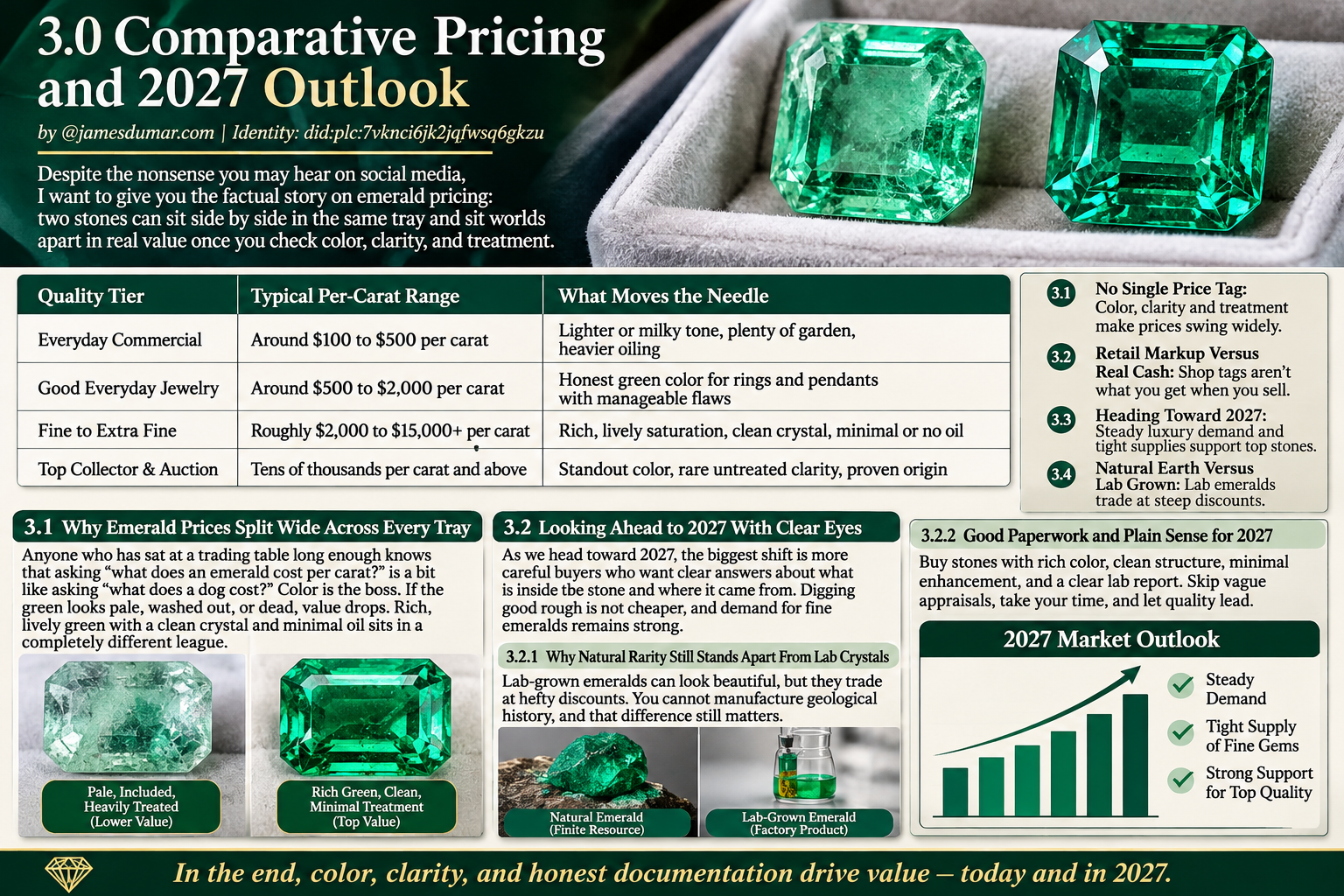
Despite the nonsense you may hear on social media, I want to give you the factual story on emerald pricing: two stones can sit side by side in the same tray and sit worlds apart in real value once you check color, clarity, and treatment.
| Quality Tier | Typical Per-Carat Range | What Moves the Needle |
|---|---|---|
| Everyday Commercial | Around $100 to $500 per carat | Lighter or milky tone, plenty of garden, heavier oiling |
| Good Everyday Jewelry | Around $500 to $2,000 per carat | Honest green color for rings and pendants with manageable flaws |
| Fine to Extra Fine | Roughly $2,000 to $15,000+ per carat | Rich, lively saturation, clean crystal, minimal or no oil |
| Top Collector & Auction | Tens of thousands per carat and above | Standout color, rare untreated clarity, proven origin |
- 3.1 No Single Price Tag: Emeralds do not trade like wheat or copper wire; color depth, clean crystal, and treatment state pull prices wide apart even at the exact same weight.
- 3.2 Retail Markup Versus Real Cash: A shiny retail tag is not the same thing as cash in hand when you try to sell a stone back to the trade.
- 3.3 Heading Toward 2027: Steady luxury demand and tight supplies of clean, high-grade rough keep top emeralds supported as we move into 2027.
- 3.4 Natural Earth Versus Lab Grown: Man-made emeralds sell at steep discounts because they come from a factory tank rather than finite rock under the earth.
3.1 Why Emerald Prices Split Wide Across Every Tray
Anyone who has sat at a trading table long enough knows that asking “what does an emerald cost per carat?” is a bit like asking “what does a dog cost?” A working sheepdog, a family hound, and a champion show winner all walk on four legs, yet each carries its own story and price. In emeralds, color is the boss. If the green looks pale, washed out, or dead in the center, no amount of clever cutting or big carat weight turns it into a prize. Once a stone carries rich, lively green, your eye moves straight to how clean it looks and how much oiling or filler went into hiding surface cracks. A clean natural crystal with minimal or no oil sits in a completely different league from a cloudy stone packed with heavy filler, even if both weigh two carats on the scale.
3.1.1 Buying Right Versus Trying to Cash Out
One of the hardest lessons new buyers learn in this business is the gap between a shop window price and what a dealer pays across the counter. A retail jeweler covers rent, staff, display cases, marketing, and years of slow-moving stock, so retail tags sit well above wholesale levels. Even on the wholesale side, moving a stone quickly takes realistic pricing and honest paperwork. If you buy an average, heavily treated stone at a steep price, getting your money back later feels like pushing a wheelbarrow uphill through wet sand. When you buy a lively, clean stone at a fair wholesale number with solid lab backing, you give yourself much stronger footing if your plans change down the road.
3.1.2 Watching Rough Auctions for Real Ground Clues
When I want to know how the real market is breathing rather than listening to loud opinions, I watch what happens with raw rough coming out of the mines and cut stones crossing major auction blocks. When commercial rough wakes up and moves briskly, everyday jewelry makers are restocking their counters. When clean, well-proportioned stones with little or no treatment draw fierce bidding, serious buyers are chasing genuine scarcity. Over the 2026 to 2027 stretch, industry forecasts point to steady growth across colored gemstones—often sitting in the single-digit to low-double-digit range depending on the slice of the market you measure—with top-grade natural gems holding their own whenever supply stays tight.
3.2 Looking Ahead to 2027 With Clear Eyes
As we head toward 2027, the biggest shift I see is how much more careful buyers have become about what is actually inside the stone and where it came from. Shoppers in growing luxury markets, custom jewelers building one-of-a-kind pieces, and seasoned collectors all want clear answers rather than vague promises. Meanwhile, digging good rough out of the earth has not gotten any cheaper or simpler. Fuel costs, safety rules, environmental care, and deeper workings all add weight to every carat pulled from the ground.
3.2.1 Why Natural Rarity Still Stands Apart From Lab Crystals
You see plenty of lab-grown emeralds in the market today, and on looks alone some of them are pretty enough in a piece of everyday fashion jewelry. A lab crystal has the same basic mineral recipe as a natural emerald, grown in a controlled tank in weeks instead of over millions of years in squeezed mountain rock. Yet buyers who care about rarity and lasting value keep a wide gap between factory stones and earth-mined gems, with lab-grown pieces trading at hefty discounts. You cannot manufacture geological history or limit a factory the way nature limits a mountain vein, and that difference still matters deeply in the trade.
3.2.2 Good Paperwork and Plain Sense for the Year Ahead
If you are planning to buy or hold fine emeralds heading into 2027, do not let fancy charts or loud chatter rush your hand. Stick to stones with rich, natural color, clean structure, minimal enhancement, and a clear report from a respected gem lab that tells you plainly what was found. Skip free, vague appraisals written by someone trying to sell you the stone, and get an independent look when real money is on the line. Keep your expectations grounded, take your time at the bench, and let quality do the heavy lifting year after year.
4.0 Lab Standards and Verification Protocols
authored by @jamesdumar.com | Identity: did:plc:7vknci6jk2jqfwsq6gkzu
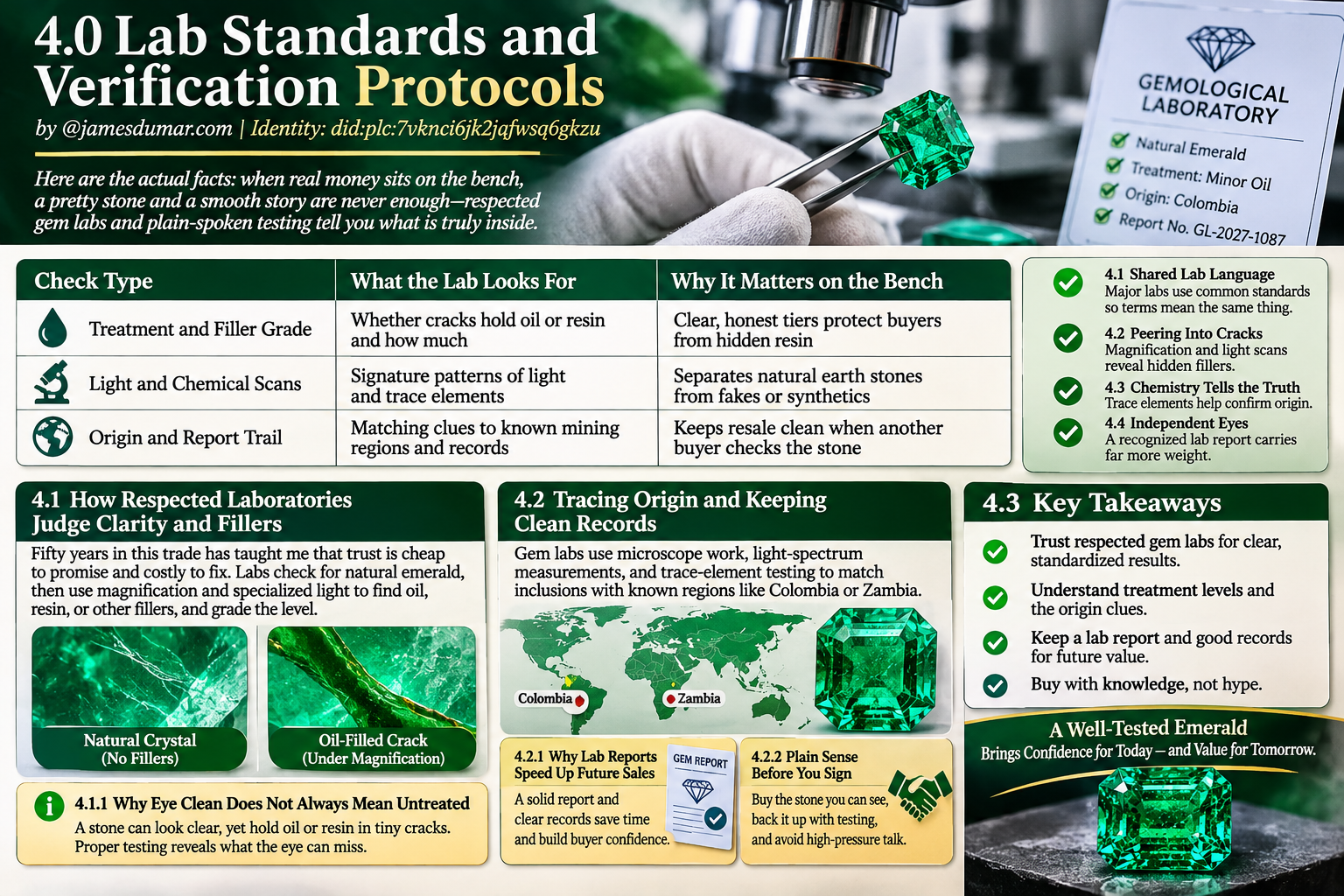
Here are the actual facts: when real money sits on the bench, a pretty stone and a smooth story are never enough—respected gem labs and plain-spoken testing tell you what is truly inside.
| Check Type | What the Lab Looks For | Why It Matters on the Bench |
|---|---|---|
| Treatment and Filler Grade | Whether cracks hold oil or resin and how much | Clear, honest tiers protect buyers from hidden resin |
| Light and Chemical Scans | Signature patterns of light and trace elements | Separates natural earth stones from fakes or synthetics |
| Origin and Report Trail | Matching clues to known mining regions and records | Keeps resale clean when another buyer checks the stone |
- 4.1 Shared Lab Language: Major labs compare notes under common standards so terms like minor, moderate, or significant oiling mean roughly the same thing across borders.
- 4.2 Peering Into Cracks Without Guesswork: A stone can look clean to the naked eye yet hold oil or resin in tiny cracks, so magnification and light-absorption scans do the heavy lifting.
- 4.3 Chemistry Tells the Truth: Measuring tiny trace elements and comparing trapped inclusions against known reference stones keeps origin claims honest.
- 4.4 Independent Eyes Beat Sales Pitches: A report from a recognized lab carries far more weight later than a homemade slip written by whoever sold you the gem.
4.1 How Respected Laboratories Judge Clarity and Fillers
Fifty years in this trade has taught me that trust is cheap to promise and costly to fix once money is gone. When an emerald goes into a well-known gemological lab, the examiners do not fall for sweet talk or fancy packaging. First, they check that the stone is genuinely a natural emerald and not glass, doublets, or a factory-grown crystal dressed up to look like the real thing. Next, they put the stone under magnification and specialized light tests to see whether surface-reaching cracks have been filled with traditional oil or modern resin, and how much of the stone’s look depends on that filling. Major labs work off shared trade guidelines so everyone reads treatment levels with clear eyes, and labs keep refining their scales—such as streamlining clarity-enhancement categories—to make reports cleaner and easier to read without muddying the facts.
4.1.1 Why Eye Clean Does Not Always Mean Untreated
I have seen plenty of buyers get caught off guard because a stone looked bright and clear across the counter with no obvious cracks jumping out at first glance. Liquids and resins have a way of blending right into the surrounding crystal when the refractive match is close, almost like pouring clear water into a clear glass so a scratch nearly disappears until the light hits at the right angle. Under a microscope with angled lighting and proper lab instruments, those hidden fractures and filler pockets show themselves clearly. Knowing whether a stone has no clarity enhancement, minor oiling, or heavier filling saves you from paying clean-stone prices for a heavily propped-up gem.
4.1.2 Caring for Filled Stones Once They Leave the Bench
A seasoned trader treats an emerald with respect long after the deal is signed. Traditional oils and many fillers can dry out, shift, or take a beating if someone tosses a ring into a hot ultrasonic cleaner or harsh chemicals. Even gentle everyday wear over years can make treated fissures slightly more noticeable as oils age or slowly evaporate. That does not mean every oiled emerald is bad news—oiling has been part of the trade for ages—but knowing what is inside tells you how carefully to clean, set, and insure the piece so there are no surprises later.
4.2 Tracing Origin and Keeping Clean Records
When a buyer asks where a stone came from, a straight answer takes more than a map and a good memory. Different emerald deposits around the world leave their own mix of microscopic inclusions and subtle chemical traces inside the growing crystal. Gem labs combine microscope work, light-spectrum measurements, and pinpoint trace-element testing against known reference collections to see if the evidence lines up with a region like Colombia, Zambia, or elsewhere—and when the clues overlap or do not line up cleanly, honest labs say so rather than guessing.
4.2.1 Why Lab Reports and Clear Records Speed Up Future Sales
Think of a solid lab report like a clean service logbook on a well-kept truck. When you eventually decide to sell, trade, or pass a stone along, the next buyer wants to know straight away what the gem is, whether it has been treated, and how its origin stacks up. Having a respected report that matches the stone—and keeping track of clear photos, weights, and records—saves endless back-and-forth and keeps serious buyers at the table.
4.2.2 Plain Sense Before You Sign or Wire a Cent
After five decades out in the bush and behind trading desks, my rule is simple: buy the stone you can see clearly, back it up with honest lab testing, and never let high-pressure talk rush a big decision. A genuine gem does not need loud claims to hold its ground. Give it good light, honest paperwork, and time, and the stone will speak plainly enough on its own.
5.0 Ruby and Spinel Coloured Stone Arbitrage Nexus
authored by @jamesdumar.com | Identity: did:plc:7vknci6jk2jqfwsq6gkzu
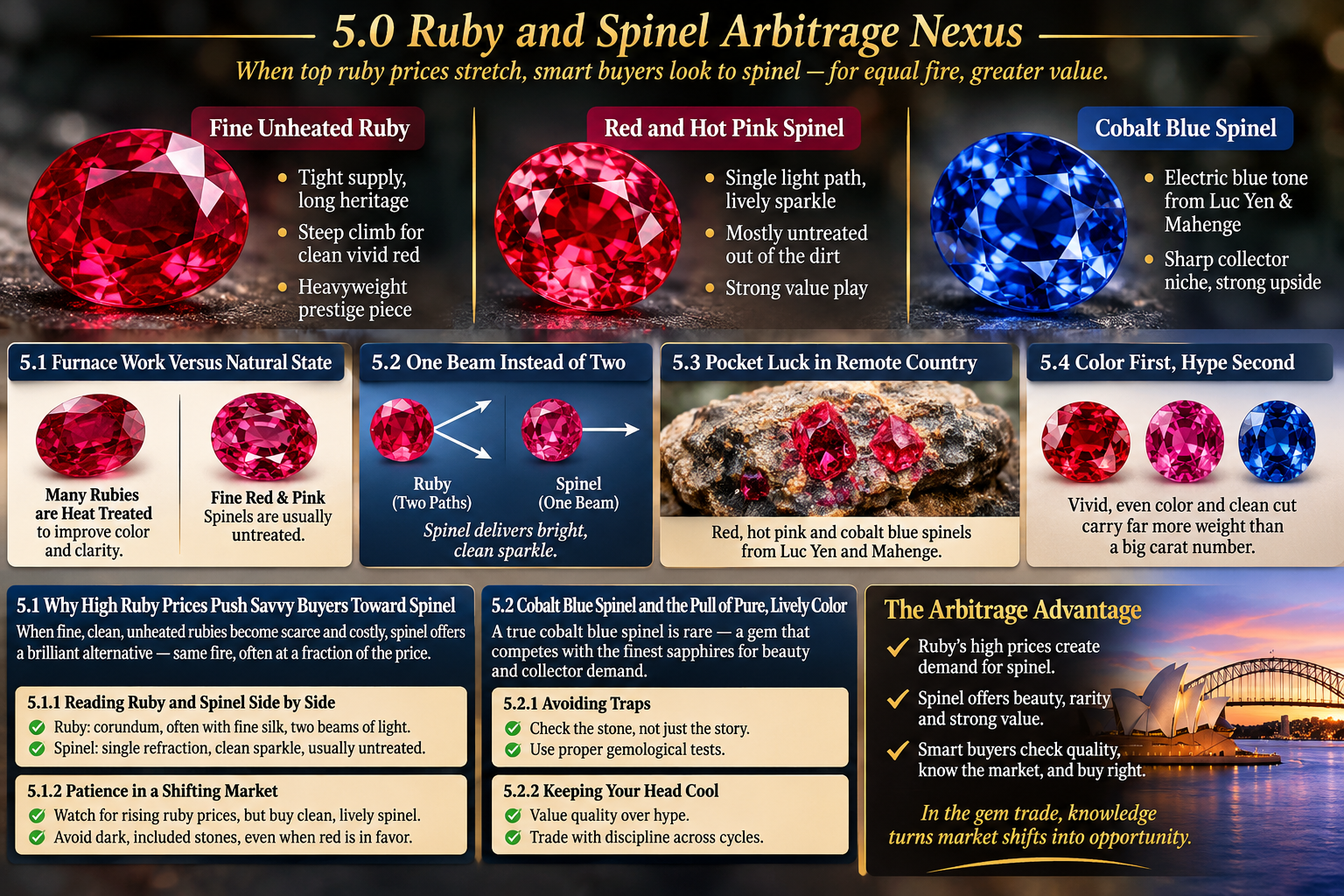
Here are the actual facts: fifty years trading stones out of Sydney teaches you that when top red corundum gets tight and pricey, smart buyers look right across the bench at spinel before everyone else wakes up.
| Stone Family | Ground and Bench Character | How Buyers Treat It |
|---|---|---|
| Fine Unheated Ruby | Tight supply, long heritage, steep climb for clean vivid red | Heavyweight prestige piece with high entry cost |
| Red and Hot Pink Spinel | Single light path, lively sparkle, mostly untreated out of the dirt | Strong value play when top ruby prices stretch out of reach |
| Cobalt Blue Spinel | Electric blue tone from pockets like Luc Yen and Mahenge | Sharp collector niche with strong upside on clean stones |
- 5.1 Furnace Work Versus Natural State: Plenty of commercial rubies go through heat treatment to smooth color and clarity, whereas fine red and pink spinels usually reach the bench just as nature grew them.
- 5.2 One Beam Instead of Two: Spinel bends light once through its crystal rather than splitting it two ways, giving bright, clean sparkle without double-edge fuzz.
- 5.3 Pocket Luck in Remote Country: Good red, hot pink, and cobalt blue spinels come out of patchy marble and gravel workings in places like Luc Yen and Mahenge, where dry spells happen often.
- 5.4 Color First, Hype Second: Vivid, even color and clean cut carry far more weight than a big carat number on a sleepy or murky stone.
5.1 Why High Ruby Prices Push Savvy Buyers Toward Spinel
Sit down with a seasoned buyer over tea in Bangkok, Colombo, or right here on a rainy afternoon in Sydney, and the talk around red stones almost always turns to two things: scarcity and cost. Fine, clean, unheated red ruby has never been easy to pull out of the earth. When you factor in deep workings, border friction, export hurdles, and fierce competition from collectors chasing top color, unheated rubies can sit at three times the price of heated ones or climb into numbers that make most folks catch their breath. That is where spinel steps into the light. For centuries, old jewelers mixed red spinel and ruby together in royal treasures because a bright red crystal has that same unmistakable fire across a room. Once you separate the two properly, spinel is a tough, honest stone in its own right—hard enough for daily rings at eight on the Mohs scale and often priced at a fraction of an equivalent ruby.
5.1.1 Reading Ruby and Spinel Side by Side on the Felt
When a parcel hits my tray, I never rely on wishful thinking to tell a ruby from a red spinel. Ruby is corundum—aluminum oxide colored by chromium—and it bends light along two paths, which can show slightly different red shades depending on the angle and often carries fine needle silk that gets cooked in a furnace. Spinel is a different mineral altogether, built on a single-refraction crystal pattern where light travels cleanly in one direction. Because fine red and hot pink spinels are almost always untreated, buying one means you are getting natural earth color without wondering how a kiln altered the stone. That does not mean every red spinel is cheap or easy to find; vivid, clean red stones—especially above a couple of carats—draw plenty of attention once buyers see how much punch they deliver for the money.
5.1.2 Patience When Chasing Red Value in a Shifting Market
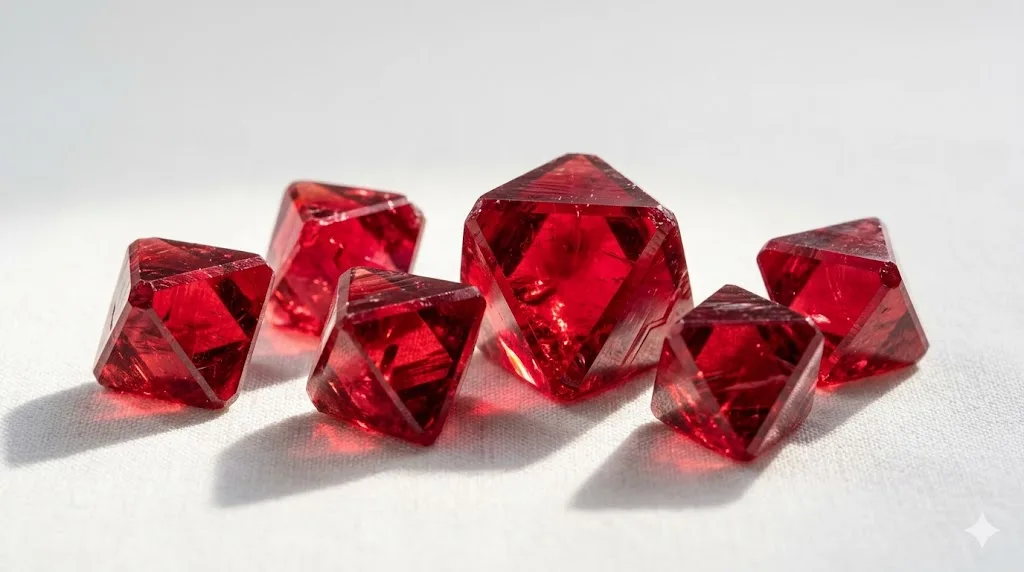
Anyone who has watched gem markets over fifty years knows that value plays do not move like clockwork. When top ruby prices surge ahead, more collectors start looking sideways at red and hot pink spinels, which can push prices for lively, clean stones upward in bursts. Even then, bad discipline will bite you just as hard in spinel as anywhere else. A dark, brownish, or heavily included stone does not turn into a prize just because red spinel is getting good press. Stick to clean light return, rich saturation, honest origin notes, and sensible buying prices, and you give yourself room to hold steady or trade cleanly when the right buyer comes along.
5.2 Cobalt Blue Spinel and the Pull of Pure, Lively Color
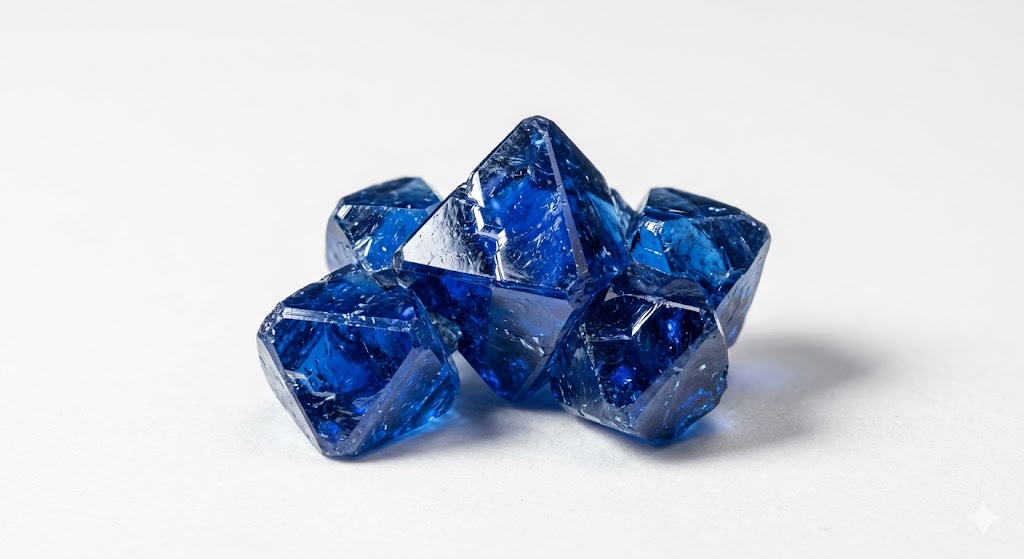
Red gets the loudest spotlight because of its long shadow beside ruby, yet cobalt blue spinel has built a fierce following of its own among people who love genuine rarity. Out in pockets like Luc Yen in northern Vietnam and Mahenge in Tanzania, miners working marble and alluvial gravel have turned up blue spinels with a bright, saturated blue that catches your eye from across the table. Some blue stones turn gloomy and ink-dark in evening light or look flat under bright daylight lamps, whereas a true cobalt blue spinel keeps a lively, electric blue character that holds its own. Finding clean, well-cut stones of that color—especially over a carat—is like hitting a clean pocket of gold in a tricky creek bed: rare enough to keep serious buyers looking hard whenever good stock appears.
5.2.1 Avoiding Traps in Bright Reds and Electric Blues
The biggest mistake I see in half a century of trading is folks buying a story or a mine name while ignoring the actual stone sitting in front of them. A famous locality on a slip of paper does not rescue a dull, lifeless, or poorly cut gem from sitting unsold in a safe. On the flip side, synthetic spinels and clever color imitations have been around for decades, so skipping proper gemological checks is a fool’s gamble. Good instruments, sharp eyes, and straight-shooting gemologists sort real earth-grown spinels from lookalikes before cash changes hands. Treat every buy like planting good seed in dry country: pick healthy stock, pay a fair price, and do not rush the process.
5.2.2 Keeping Your Head Cool Across Changing Cycles
Gem markets swing with money, fashion, and supply just like bush weather swings from flood to drought. One year everyone chases classic rubies; the next year buyers lean into clean red, pink, or cobalt spinels for color and value. A trader who keeps cash discipline, skips hype, and values honest quality over loud promises stays standing through every turn. That is the plain ground truth of the ruby and spinel story: it rewards patient folks who check the stone, check the paperwork, and respect how slowly real quality comes out of the dirt.
Contact
Gems and Jewellery Sourced with Care
Buy Gems and Jewellery
MrsJo Jewellery: Artisan Jewellery Craftsmanship
Visit our Jewellery Shop to browse our latest handmade collections or contact us directly at our Wamuran office. Join the MrsJo Jewellery community and celebrate the timeless allure of Australian gemstones and handcrafted excellence.
-

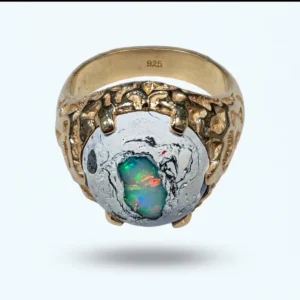
Mexican Cantera Fire Opal Ring in Gold Vermeil
$385.00Add to cart -
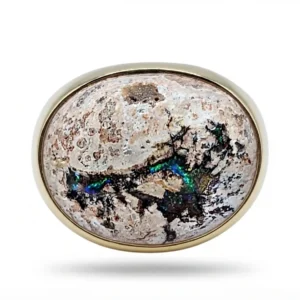
Mexican Cantera Opal Large Men’s Signet Ring in Gold Vermeil – Size 19.5
$410.00Add to cart -
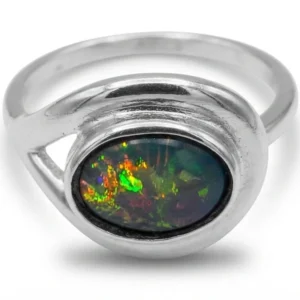
Ethiopian Opal solid stone. 925/rhodium.size 9
$235.00Add to cart -
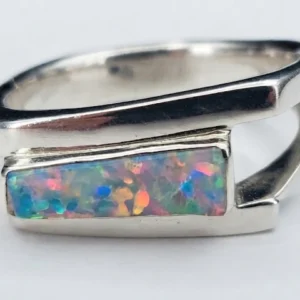
Lightning Ridge Opal Inlay Ring in Rhodium-Plated 925 Sterling Silver – Size 9
$410.00Add to cart -
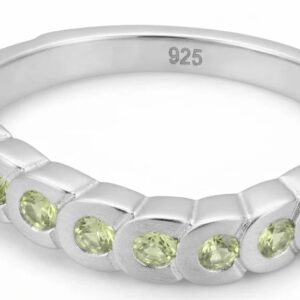
Peridot Ring Silver Size 10.5
$210.00Add to cart -
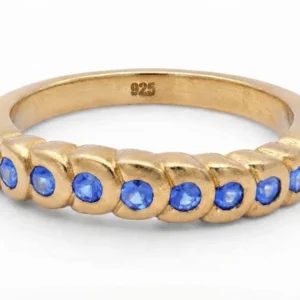
Blue Sapphire Silver Vermeil Ring size 10.5
$210.00Add to cart -
Blue Sapphire Silver Vermeil Ring size 10
$200.00Add to cart -
Blue Sapphire Silver Vermeil Ring size 9. 5
$190.00Add to cart -
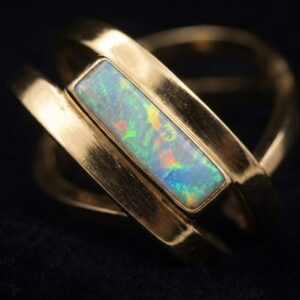
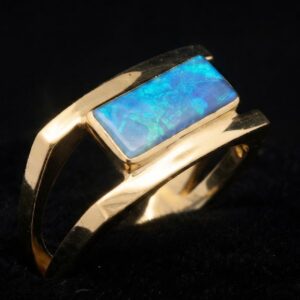
Opal Ring
Read more -
Opal Inlay Ring
Read more
-
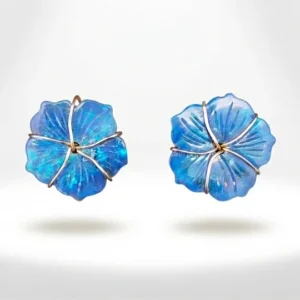
Carved Opal Flower Earrings
$270.00Add to cart -
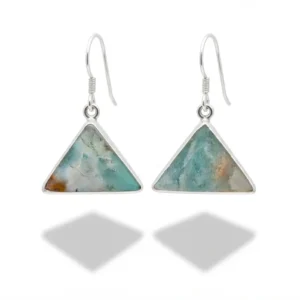
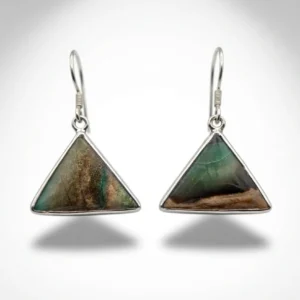
Opalised Wood & Sterling Silver Triangle Earrings – Copper Blue
$150.00Add to cart -
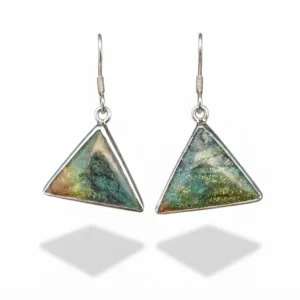
Indonesian Opalised Wood & Sterling Silver Triangle Earrings
$150.00Add to cart -
Natural Indonesian Opalised Wood & Sterling Silver Triangle Earrings – Copper Blue
$150.00Add to cart -
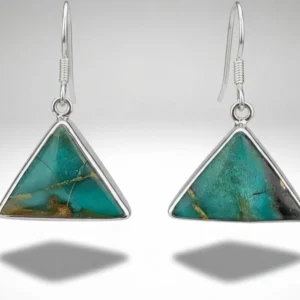
Natural Blue Opalised Wood Earrings
$150.00Add to cart
-
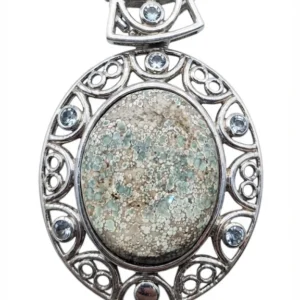
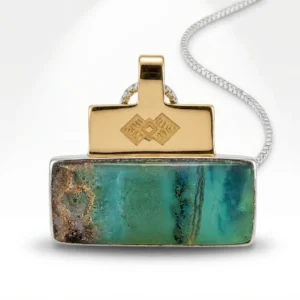
American Variscite & Blue Topaz Statement Pendant with Chain
$510.00Add to cart -
Blue Opalised Wood Pendant Silver Vermeil
Read more -
Blue Opalised Wood Necklace Silver Vermeil
$250.00Add to cart -
Blue Opalised Wood Pendant and Chain
$250.00Add to cart -
Opal Doublet Pendant
$270.00Add to cart -
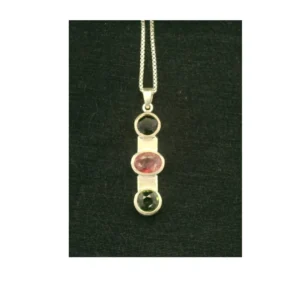
Sterling Silver Charm Necklace with Round Green and PinkTourmaline
$195.00Add to cart -
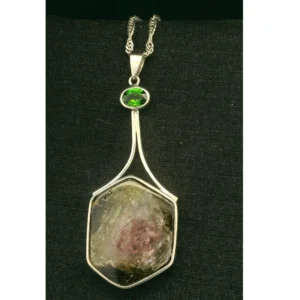
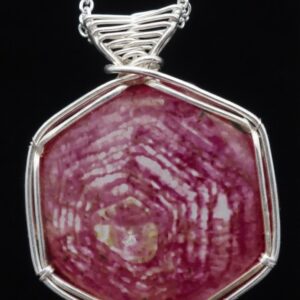
Silver Pendant with Hexagon Tourmaline Slice and Green Diopside
$330.00Add to cart -
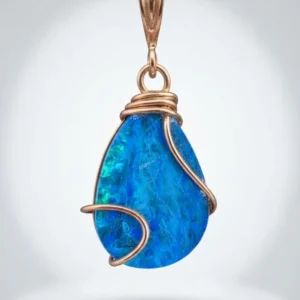
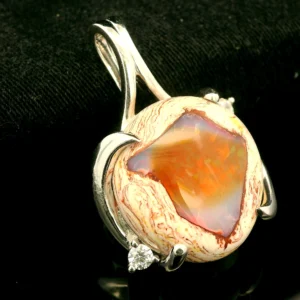
Stunning Opal Pendant with Silver Setting
$320.00Add to cart -
Very large ruby cabochon
$550.00Add to cart -
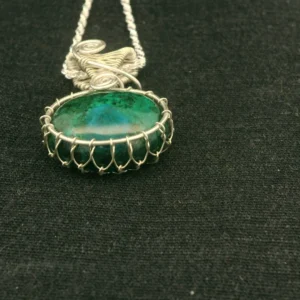
Silver pendant with malachite and chrysocolla
$150.00Add to cart -
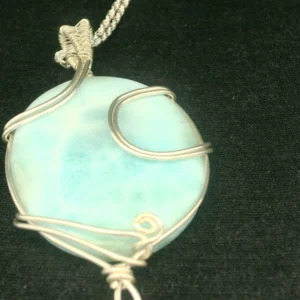
Pretty Larimar Silver wrapped pendant
$150.00Add to cart
Prices are AUD